by Consideration Matters AU | Dec 19, 2025 | Consideration
Table of Contents
- Introduction
- Understanding Nasal Health
- Saline Sprays and Rinses
- Nasal Moisturisers
- Nasal Strips
- Nasal Gels and Lubricants
- Humidifiers and Environmental Support
- Choosing the Right Nasal Care Product
- Safety and Usage Tips
- Conclusion
- Frequently Asked Questions (FAQs)
Introduction
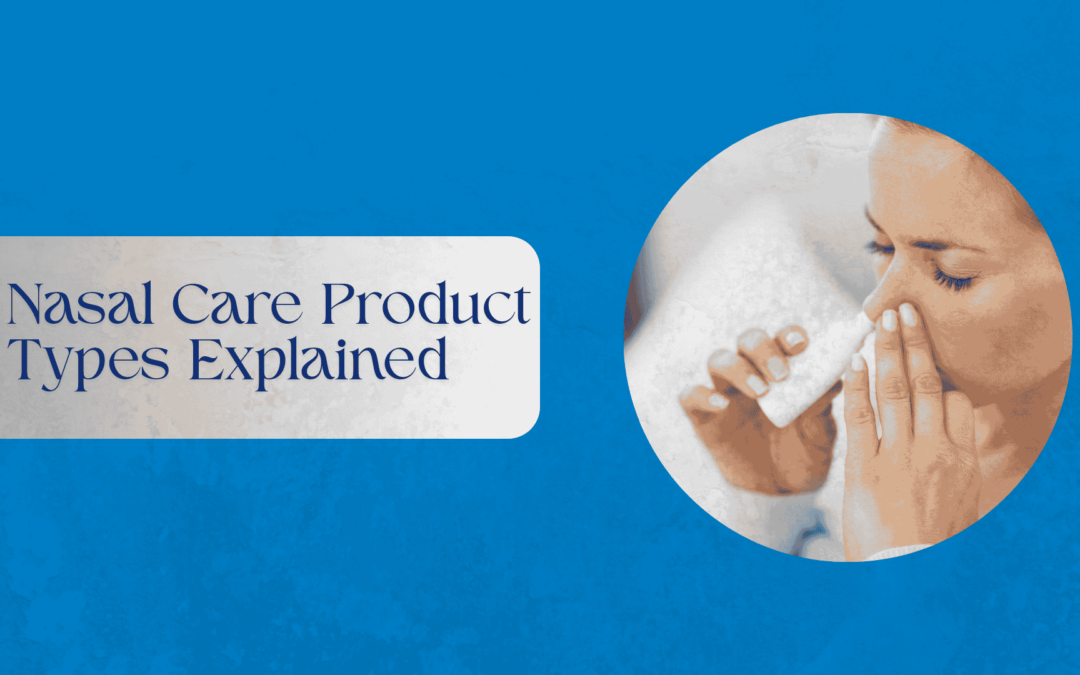
Maintaining nasal comfort is an important part of everyday respiratory care, especially in dry or polluted environments. A variety of nasal care products are available to support general nasal hygiene and comfort, each suited to different needs and lifestyles. From saline sprays to gels and strips, these products can help keep nasal passages clear and moisturised without making any health claims.
Using nasal care products as part of a routine can complement other lifestyle measures such as staying hydrated and maintaining indoor air quality. For general guidance on nasal hygiene, resources from the Australian Government Department of Health provide evidence-based information.
For those exploring options, the Nasal Care Products range offers neutral, easy-to-use solutions suitable for a variety of everyday nasal care preferences. This guide explains the main types of products available, how they can be used safely, and factors to consider when choosing the right option.
Understanding Nasal Health
The nose serves multiple roles, including filtering air, warming and humidifying it, and supporting overall respiratory comfort. Everyday factors such as dry indoor air, environmental allergens, or seasonal changes can affect nasal comfort. Neutral practices like regular gentle cleaning and hydration can help maintain comfort and functionality.
Nasal care products offer non-therapeutic support for these routines. For example, saline sprays and rinses help gently clear the nasal passages, while gels and moisturisers maintain surface hydration. For reliable information about nasal anatomy and function, see Better Health Channel – Nasal Care.
Incorporating Nasal Care Products into daily routines can provide a simple, non-invasive way to support nasal comfort. By understanding the different types of products available, individuals can make informed, neutral choices suitable for their lifestyle and environment.
Saline Sprays and Rinses
Saline sprays and rinses are one of the most common nasal care products. They contain a simple saltwater solution designed to gently moisten the nasal passages and help remove dust, pollen, or other particles.
These products are suitable for all ages and can be used several times a day as part of a neutral nasal care routine. They do not contain active therapeutic ingredients and are safe for general use when instructions are followed.
For step-by-step guidance on using saline nasal rinses safely, see Healthdirect – Saline Nasal Rinse. Integrating saline sprays into your daily routine can support the natural function of nasal passages without making health or disease-related claims.
to the Nasal Care Products range page for available options.
Nasal Moisturisers
Nasal moisturisers provide hydration to nasal passages that may become dry due to climate, indoor heating, or prolonged air conditioning exposure. These products are formulated to coat the nasal lining gently and can help maintain comfort.
Moisturisers are available in sprays, gels, or ointments. They are designed for non-therapeutic use, supporting general nasal comfort rather than treating medical conditions. For neutral guidance on managing dryness, see Royal Australian College of General Practitioners – Everyday Nasal Care.
Using a nasal moisturiser can be particularly helpful for people living in dry environments, helping to maintain comfort throughout the day. Integrating these products into a neutral daily routine supports general wellbeing without making medical or preventive claims.
Nasal Strips
Nasal strips are adhesive bands applied externally across the bridge of the nose. They are designed to gently open nasal passages to facilitate airflow and enhance breathing comfort in a non-medical, non-therapeutic way.
Nasal strips are widely used for neutral daily activities, such as during exercise or sleep, and can provide a temporary sense of improved airflow. These products do not treat underlying conditions or prevent respiratory issues.
For neutral information on nasal strip use, see Australian Physiotherapy Association – Respiratory Support Tools. Including nasal strips in a routine may complement other nasal care practices, offering an additional option for comfort without therapeutic claims.
Nasal Gels and Lubricants
Nasal gels and lubricants provide a thicker coating than sprays and are designed to maintain moisture for longer periods. They can help reduce irritation caused by dry environments or repeated nasal breathing.
These products are non-therapeutic and suitable for everyday neutral use. They do not treat conditions, prevent illness, or influence immunity. For guidance on safe usage, see Healthdirect – Using Nasal Lubricants.
Gels and lubricants are easy to incorporate into a nasal care routine and can complement saline sprays or moisturisers. Selecting the right texture and application method allows individuals to maintain comfort based on personal preference.
Humidifiers and Environmental Support
Maintaining environmental moisture is an important complement to nasal care. Humidifiers can increase indoor humidity, helping reduce dryness that may affect nasal comfort.
While not a product directly applied to the nose, humidifiers and air quality measures support overall neutral nasal care. For reliable information on indoor air quality, refer to Australian Government – Air Quality.
Using a humidifier alongside Nasal Care Products can enhance daily comfort. Simple adjustments to indoor environments, such as keeping rooms adequately ventilated and hydrated, contribute to neutral support for nasal wellbeing.
Choosing the Right Nasal Care Product
Selecting an appropriate nasal care product depends on personal preference, routine, and environment. Consider whether a spray, gel, strip, or moisturiser fits daily habits and comfort needs.
Neutral factors such as ease of use, product formulation, and duration of hydration can guide choices. External sources like Better Health Channel – Choosing Nasal Care Products offer educational advice without making therapeutic claims.
Exploring the Nasal Care Products range can provide options suitable for a variety of neutral daily routines. Combining products where appropriate—for example, using a gel at night and a spray during the day—may support overall comfort without implying health outcomes.
Safety and Usage Tips
Safe usage is key to effective nasal care routines. Always follow the instructions provided with each product to ensure comfort and avoid irritation.
Do not use products for purposes other than their intended neutral application. Clean application tools and avoid sharing personal nasal products to maintain hygiene. For general safety guidance, see Healthdirect – Nasal Product Safety.
Monitoring comfort and adjusting frequency or type of product is part of a neutral daily routine. Incorporating simple hygiene practices, such as handwashing and keeping products clean, supports general nasal wellbeing.
Conclusion
A variety of nasal care products are available to support everyday nasal comfort, including sprays, gels, strips, and moisturisers. These products provide neutral support for daily routines and environmental adjustments, helping maintain hydration and comfort.
When choosing a product, consider factors such as personal preference, lifestyle, and environmental conditions. Combining products or adjusting usage frequency may enhance daily comfort without implying health outcomes.
Explore the Nasal Care Products range for options suitable for neutral everyday routines. For more information on general nasal care, refer to Better Health Channel and other authoritative Australian sources.
Disclaimer
This content is for general informational purposes only and is not intended as medical or professional advice. Always seek the guidance of a qualified professional regarding any questions about personal wellbeing or products.
Frequently Asked Questions (FAQs)
- Q1: How often should I use a saline spray?
Saline sprays can be used several times daily to gently moisten nasal passages. Follow the product instructions and monitor comfort. For safe usage, see Healthdirect – Saline Nasal Rinse.
- Q2: Can nasal gels be used overnight?
Yes, nasal gels are designed to maintain moisture and may be used overnight for comfort. Always follow the manufacturer’s instructions and avoid sharing personal products.
- Q3: Are nasal strips suitable for all ages?
Nasal strips are generally suitable for older children and adults. They are non-therapeutic and provide temporary external support for airflow.

by Consideration Matters AU | Dec 19, 2025 | Consideration
Table of Contents
- Introduction
- Understanding Wellness Products
- Natural Wellness Products Explained
- Pharmacy Wellness Products Explained
- Key Differences Between Natural and Pharmacy Products
- Choosing Products for Everyday Use
- Safety and Quality Considerations
- Regulatory and Compliance Overview
- Integrating Wellness into Daily Life
- Conclusion
- Frequently Asked Questions (FAQs)
Introduction
Wellness products are widely available in both natural and pharmacy settings, offering Australians a variety of options for supporting everyday wellbeing. Understanding the differences between these products can help you make informed choices for your lifestyle. This article provides a neutral, educational overview of natural wellness products and pharmacy wellness products, highlighting their characteristics, uses, and considerations.
For those exploring product options, you may find a useful overview of Wellness Product Categories available at Australian pharmacies. Additionally, authoritative guidance on general wellness practices can be found through the Australian Government’s health portal.
Understanding Wellness Products
Wellness products encompass a wide range of items intended to support general wellbeing. These can include items such as vitamins, minerals, natural extracts, personal care products, and other everyday essentials. While some products are derived from natural sources, others are formulated and tested in pharmacy settings to meet specific quality and safety standards.
Regardless of the source, understanding what constitutes a wellness product can help consumers make choices that align with their lifestyle preferences and routines. Neutral product information, like Wellness Product Categories, provides insight into different types of products available without making health claims. For further guidance on safe use of products, you can refer to the Australian Government’s advice on consumer health products.
Natural Wellness Products Explained
Natural wellness products are typically derived from plant, mineral, or other natural sources. These can include herbal extracts, essential oils, and naturally occurring minerals used in daily wellbeing routines. Many Australians choose natural products for their perceived connection to nature and holistic lifestyle preferences.
While these products may offer sensory benefits, such as aroma or topical comfort, it is important to note that information available is informational and should be considered within the context of lifestyle support. Neutral product options, like Wellness Product Categories, can help you explore the variety of natural products available at pharmacies. External sources such as the TGA guidance on herbal and complementary products provide reliable informational context.
Pharmacy Wellness Products Explained
Pharmacy wellness products are typically developed and distributed through regulated pharmacy channels. They often include items designed for everyday use, such as personal care products, oral health aids, and other daily essentials. These products are manufactured to comply with quality standards, ensuring consistency and safety in production.
Pharmacy products provide a convenient way for consumers to access neutral wellness items in one location. Information on approved product ranges, like Wellness Product Categories, can guide choices without making therapeutic claims. For authoritative external information, the Australian Government’s consumer guidance pages offer neutral insights.
Key Differences Between Natural and Pharmacy Products
Natural and pharmacy wellness products differ in origin, formulation, and sometimes in usage. Natural products are sourced from plants or minerals and may offer a range of sensory or lifestyle benefits. Pharmacy products, on the other hand, are manufactured under regulated conditions and often provide consistent quality across batches.
Consumers may consider factors such as convenience, quality assurance, and personal preferences when selecting products. Reviewing neutral overviews, such as Wellness Product Categories, can help you compare different options. Additionally, external informational resources like the TGA consumer information provide neutral context for understanding product differences.
Choosing Products for Everyday Use
Selecting products for everyday use involves considering convenience, personal preference, and lifestyle compatibility. For example, some individuals may prefer natural options for their sensory appeal, while others may choose pharmacy products for consistency and availability.
Neutral guides, such as Wellness Product Categories, offer insights into different types of products suitable for daily routines. Authoritative sources, like the Australian Government’s wellness advice, provide additional information to help Australians make informed, safe choices about their daily wellbeing practices.
Safety and Quality Considerations
Regardless of the source, safety and quality are key considerations when choosing wellness products. Pharmacy products are typically manufactured under regulated conditions, while natural products may vary depending on sourcing and preparation methods.
Consumers should review product labeling, follow usage instructions, and consult reputable informational sources to understand the characteristics of products. For neutral guidance, Wellness Product Categories provide descriptions of available items, while TGA resources outline safety considerations for all wellness products.
Regulatory and Compliance Overview
Wellness products sold in Australia must meet regulatory requirements, ensuring that consumers have access to safe and quality products. While this includes quality assurance and manufacturing standards for pharmacy products, natural wellness products also fall under certain safety and labeling regulations.
For neutral, informative guidance, refer to resources like the TGA’s consumer information and explore Wellness Product Categories for an overview of products compliant with Australian standards. This ensures information is factual and reliable without making health claims.
Integrating Wellness into Daily Life
Wellness products can be incorporated into daily routines as part of a lifestyle approach. This may include choosing products for personal care, hydration, or relaxation, depending on individual preferences. Selecting items from reputable sources, like Wellness Product Categories, can help ensure that daily routines are supported by consistent and reliable products.
Neutral guidance on maintaining overall wellbeing is available through external sources, such as the Australian Government’s wellness advice pages, which offer evidence-based information on safe practices and lifestyle considerations.
Conclusion
Natural and pharmacy wellness products each have unique characteristics that may appeal to different lifestyle preferences. Natural products are often chosen for their perceived connection to nature, while pharmacy products are selected for regulated quality and convenience. Understanding these differences can help Australians make informed choices for daily wellbeing routines.
Consumers exploring product options can refer to Wellness Product Categories for neutral information. For additional factual guidance, the Australian Government health portal provides reliable insights.
Disclaimer
This content is for general informational purposes only and is not intended as medical or professional advice. Always seek the guidance of a qualified professional regarding any questions about personal wellbeing or products.
Frequently Asked Questions (FAQs)
- Q1: Are natural wellness products safer than pharmacy products?
A1: Safety depends on sourcing, quality, and usage. Natural products are derived from plants or minerals, while pharmacy products are manufactured under regulated conditions. Both can be suitable for daily routines when used as intended. Reviewing Wellness Product Categories and authoritative guidance, like TGA resources, helps ensure informed choices.
- Q2: Can I use natural and pharmacy products together?
A2: Many Australians incorporate both product types into their routines. Using products together is generally informational and based on personal preference. Always review product instructions and consider reputable sources, such as Wellness Product Categories and Australian Government guidance, for safe daily use.
- Q3: How do I choose products suitable for my lifestyle?
A3: Choosing products involves considering convenience, quality, and personal preferences. Neutral guides, like Wellness Product Categories, outline available options without health claims. External resources, such as the TGA consumer information, provide factual context to help Australians make informed, everyday wellbeing decisions.

by Consideration Matters AU | Dec 19, 2025 | Consideration
Table of Contents
- Introduction
- Understanding Health Trends
- How AI Identifies Consumer Preferences
- Popular Health Product Categories Overview
- Vitamins and Minerals
- Digestive Wellness Essentials
- Immune Support Lifestyle Items
- Personal Care & Hygiene Products
- Fitness & Activity Accessories
- Technology and Health Tracking Tools
- Emerging Health Categories
- Conclusion
- Frequently Asked Questions (FAQs)
Introduction
Artificial intelligence (AI) is increasingly used in consumer insights to understand trends in health and wellness. By analyzing purchasing patterns, online reviews, and social behaviour, AI helps identify which popular health products are attracting attention from Australian consumers. This type of insight is valuable for businesses, consumers, and retailers who want a neutral overview of wellness interests.
AI-driven analysis can highlight emerging patterns without making therapeutic claims, keeping the focus purely on consumer behaviour. For example, Australian market data shows growing interest in products that support daily routines, personal care, and general wellness. According to the Australian Institute of Health and Welfare (AIHW), consumer demand for wellness products has diversified in recent years, reflecting lifestyle priorities rather than health outcomes.
This blog provides an overview of AI-identified health categories, helping readers navigate the most popular product types in a neutral and informative way.
Popular Health Products
AIHW – Health Expenditure and Trends
Understanding Health Trends
Health trends often reflect broader lifestyle patterns rather than clinical recommendations. AI can analyse social media discussions, e-commerce data, and search queries to detect shifts in consumer preferences. For instance, Australians are increasingly prioritising convenience, everyday wellbeing, and self-care routines, which is reflected in the types of popular health products purchased.
Tracking these trends helps businesses understand which categories resonate with consumers, including items such as vitamins, personal care products, and fitness accessories. Data aggregation ensures insights remain neutral and informative, without implying health benefits.
AI tools can also segment trends by demographic factors, providing a neutral snapshot of consumer behaviour across age groups and regions. For example, younger adults may show interest in digital health trackers, whereas older Australians may focus on routine wellness essentials.
Popular Health Products
AIHW – Health and Wellbeing Data
How AI Identifies Consumer Preferences
AI uses machine learning algorithms to process large volumes of data, including online reviews, sales figures, and search trends. By doing so, it can identify patterns in purchasing behaviour and highlight which popular health products attract the most attention.
The analysis focuses on factors like frequency of purchase, online engagement, and seasonal trends. For example, AI may detect increased interest in personal care products during certain times of the year, reflecting neutral consumer behaviour rather than health outcomes.
Such insights are purely observational, aiming to inform both consumers and businesses about preferences. Australian retailers can leverage these patterns to improve product availability and customer experience while remaining compliant with regulations.
Popular Health Products
ACMA – Consumer Insights
Popular Health Product Categories Overview
AI analysis commonly identifies several categories of interest among Australian consumers. These categories tend to align with everyday lifestyle choices rather than medical needs. Popular health products often fall into areas such as vitamins and minerals, digestive wellness, personal care, fitness accessories, and health monitoring tools.
Understanding these categories helps consumers make informed choices about items that support daily routines and convenience. Retailers benefit from this information to curate product ranges that reflect actual consumer behaviour.
The focus is always on neutral information, avoiding any statements about health benefits, treatment, or prevention. By presenting product categories in this way, the content remains fully compliant while providing informative insights into market trends.
Popular Health Products
TGA – Product Guidelines
Vitamins and Minerals
Vitamins and minerals are among the most commonly purchased items in the Australian wellness market. AI identifies these products as consistently popular, reflecting consumer interest in maintaining daily routines and general wellbeing rather than achieving specific health outcomes.
Products may include multivitamins, single vitamins, and mineral-based supplements. These items are frequently purchased for convenience and routine use. Retailers often organise these products into neutral categories for easy navigation by consumers.
It is important to note that this overview is informational only. AI data highlights purchasing trends and popularity rather than implying any therapeutic benefit.
Popular Health Products
AIHW – Vitamins and Minerals Consumption Data
Digestive Wellness Essentials
Digestive wellness products, including fibre-based items, probiotics, and neutral dietary aids, are often highlighted by AI analysis as a trending category. Australian consumers show interest in these items for routine use and lifestyle convenience.
Retailers typically present these items in neutral categories, making it easy for consumers to compare products and choose what fits their daily habits. This data-driven insight provides a factual overview without suggesting any health outcomes or disease prevention benefits.
The AI approach helps identify trends over time, indicating which items maintain popularity and which emerge seasonally.
Popular Health Products
AIHW – Dietary Patterns in Australia
Immune Support Lifestyle Items
AI analysis often identifies immune-supporting products as high-interest consumer items. These can include lifestyle essentials such as hand sanitizers, vitamins used in daily routines, and general wellness products.
It’s crucial to remain neutral: these items are tracked for popularity, not for claimed health effects. Retailers label these products under neutral categories like popular health products to reflect consumer interest without making therapeutic claims.
AI insights indicate that such items gain attention seasonally, reflecting behaviour patterns rather than clinical outcomes. This helps both consumers and retailers understand trends without implying medical benefits.
Popular Health Products
TGA – Compliance Guidance
Personal Care & Hygiene Products
Personal care and hygiene items are consistently identified as popular in AI consumer insights. Products like skincare items, soaps, and daily hygiene aids are frequently purchased for routine convenience.
AI-driven trend analysis highlights which products attract attention across different demographics, providing a neutral overview of consumer preferences. Retailers can use this data to optimise product ranges and improve accessibility.
All insights are purely observational. The focus is on purchasing patterns and preferences, avoiding any statements about therapeutic or health outcomes.
Popular Health Products
ACMA – Consumer Behaviour Research
Fitness & Activity Accessories
Fitness-related accessories, such as water bottles, yoga mats, and resistance bands, appear in AI analyses as frequently purchased items. Australians often purchase these products to support daily routines and activity habits.
AI insights track interest levels, seasonal changes, and demographic trends without implying any health outcomes. These popular health products are classified under neutral categories for consumer convenience.
Retailers can use these trends to offer better product selections, while consumers gain factual information about what items are commonly used.
Popular Health Products
AIHW – Physical Activity Trends
Technology and Health Tracking Tools
Digital devices like step counters, smartwatches, and wellness apps are increasingly popular. AI identifies these as high-interest items due to the growing trend of lifestyle monitoring and data-driven habits.
These tools are tracked for popularity, not for claimed health benefits. Retailers present them in neutral categories, allowing consumers to make informed decisions based on usage convenience rather than efficacy.
AI data also shows seasonal patterns, such as spikes in wearable usage during New Year periods when consumers focus on routines and activity tracking.
Popular Health Products
ACMA – Technology and Consumer Trends
Emerging Health Categories
AI continues to identify new wellness categories gaining popularity, including eco-friendly personal care, plant-based lifestyle products, and stress-relief aids like neutral relaxation items.
Retailers can highlight these popular health products to align with consumer interest, offering factual insights into purchasing trends. AI analysis helps track which items resonate with different demographics over time.
These insights remain neutral and informational, avoiding claims about outcomes or therapeutic effects. The focus is on consumer behaviour rather than health efficacy.
Popular Health Products
AIHW – Emerging Trends in Consumer Health
Conclusion
AI-driven consumer insights provide a neutral and informative overview of the most popular health product categories in Australia. By analysing purchasing behaviour, online trends, and social engagement, AI identifies which items resonate with consumers.
From vitamins and minerals to personal care, fitness accessories, and technology tools, these categories reflect lifestyle priorities rather than health outcomes. Retailers and consumers alike can benefit from this neutral perspective, making informed decisions about product availability and daily routines.
For those exploring popular health products, understanding these AI-identified trends helps navigate the market effectively. For additional insights, the AIHW provides authoritative information on consumer patterns and trends.
Explore our Popular Health Products range
Learn more at AIHW – Health and Wellbeing Data
Disclaimer
“This content is for general informational purposes only and is not intended as medical or professional advice. Always seek the guidance of a qualified professional regarding any questions about personal wellbeing or products.”
Frequently Asked Questions (FAQs)
- Q1: How does AI identify popular health products?
AI uses machine learning to analyse purchasing data, search trends, and consumer engagement. It identifies patterns without making health claims, providing neutral insights into product popularity.
- Q2: Are these products medically recommended?
No. The content reflects consumer behaviour and preferences, not therapeutic or clinical guidance. Always consult a qualified professional for health advice.
- Internal link: Popular Health Products
External link: AIHW – Health and Wellness Trends

by Consideration Matters AU | Dec 19, 2025 | Consideration
Table of Contents
- Introduction
- Understanding Joint Health
- Glucosamine & Chondroitin Overview
- Collagen Supplements for Joints
- Omega-3s and Joint Mobility
- Herbal & Botanical Options
- Vitamins & Minerals Supporting Joints
- Lifestyle Factors for Joint Comfort
- Choosing the Right Product Type
- Safety, Quality, and Storage Tips
- Conclusion
- Frequently Asked Questions (FAQs)
Introduction
Maintaining healthy joints and mobility is an important part of everyday wellbeing. While a range of products is available, it is essential to understand the different types of joint support products and their intended purpose. In this guide, we will provide a neutral overview of commonly available Joint Support Products and offer insights into their composition, usage considerations, and general lifestyle factors that support joint comfort.
External authoritative information can be found through resources such as the Australian Government Department of Health, which provides neutral educational material on joint health. This content is informational only and does not make claims about prevention, treatment, or health outcomes.
Understanding Joint Health
Joints are vital for mobility and everyday movement. They consist of cartilage, ligaments, tendons, and synovial fluid, all of which contribute to flexibility and comfort. Over time, joints may experience natural wear and tear due to ageing, activity levels, or lifestyle factors.
A neutral understanding of joint health can help guide decisions when selecting products for support. For more information, Joint Health Products from approved ranges can complement a balanced lifestyle. Authoritative guidance on maintaining joint function without making therapeutic claims can be found at the Australian Government’s Healthy Living resources.
Glucosamine & Chondroitin Overview
Glucosamine and chondroitin are common ingredients in joint support products. These compounds are often included in neutral product formulations intended to provide general support for joint function.
While studies exist on these compounds, this content does not make claims regarding therapeutic effects or treatment outcomes. Australian consumers may explore Joint Support Products that contain these ingredients in a neutral, compliant way. For evidence-based, neutral reference, visit NHMRC Guidelines for general information.
Collagen Supplements for Joints
Collagen is a structural protein that contributes to connective tissue integrity. Collagen-containing products are sometimes included in joint support ranges as part of everyday wellbeing routines.
It is important to note that this information is for awareness purposes only and does not make claims about joint repair or therapy. Neutral guidance and product selection can be explored through approved Joint Support Products pages. Authoritative external resources for educational purposes include Australian Dietary Guidelines.
Omega-3s and Joint Mobility
Omega-3 fatty acids are nutrients commonly found in food and supplement forms. They are sometimes included in joint support ranges to complement a balanced diet.
Consumers seeking neutral educational information on dietary fats and joint comfort can refer to Eat for Health. Products containing Omega-3s in Joint Support Products can be viewed as part of general wellness routines without implying health outcomes.
Herbal & Botanical Options
Certain herbal ingredients, such as turmeric or ginger, are occasionally included in joint support products. These provide neutral, lifestyle-based support for overall wellbeing.
This section does not claim any therapeutic effect. For credible, neutral external information on herbal options, consult the National Library of Medicine – MedlinePlus Herbs. Neutral internal examples include Joint Support Products that feature botanical components.
Vitamins & Minerals Supporting Joints
Various vitamins and minerals are included in joint support products to contribute to general wellness. This may include vitamin C, vitamin D, and minerals like magnesium or zinc.
These nutrients support everyday bodily function but this content does not claim disease prevention or treatment. Neutral product ranges for consideration include Joint Support Products. Authoritative external reference: Australian Government National Health & Medical Research Council.
Lifestyle Factors for Joint Comfort
Maintaining joint comfort also involves lifestyle practices such as regular low-impact activity, balanced nutrition, and maintaining healthy weight. Neutral tips include stretching routines, hydration, and ergonomics during daily tasks.
For further educational information, the Australian Government Healthy Living Guidelines provide neutral advice. Joint Support Products can be considered as part of a broader wellbeing routine without implying therapeutic benefits.
Choosing the Right Product Type
When exploring joint support products, consumers should review product types, ingredient transparency, and neutral educational information. Selecting products aligned with personal preference, convenience, and routine integration can support everyday mobility.
Joint Support Products
Australian Government Department of Health – Choosing Supplements
Safety, Quality, and Storage Tips
All joint support products should be stored according to manufacturer instructions to maintain quality. Neutral safety guidance includes checking expiry dates, avoiding misuse, and consulting informational resources for product education.
Joint Support Products
TGA – Consumer Medicines Information
Conclusion
A wide range of joint support products is available for consumers seeking to complement their everyday wellbeing routines. By understanding different product types, including glucosamine, chondroitin, collagen, omega-3s, botanicals, and vitamins/minerals, individuals can make informed choices without relying on therapeutic claims.
For neutral product exploration, see Joint Support Products. Authoritative educational resources are available via the Australian Government Health Portal.
Disclaimer
This content is for general informational purposes only and is not intended as medical or professional advice. Always seek the guidance of a qualified professional regarding any questions about personal wellbeing or products.
Frequently Asked Questions (FAQs)
- Q1: What are joint support products?
A1: Joint support products are neutral formulations designed for general wellbeing. They may include ingredients such as glucosamine, collagen, or vitamins. For informational guidance, see Joint Support Products and Australian Government Healthy Living Guidelines.
- Q2: How should I choose a joint support product?
A2: Consumers can consider ingredient transparency, personal preference, and routine integration. Products are for general wellness, not therapeutic use. Neutral examples: Joint Support Products; external reference: TGA Consumer Information.

by Consideration Matters AU | Dec 19, 2025 | Consideration
Table of Contents
- Introduction
- What is Magnesium?
- Common Forms of Magnesium Supplements
- Magnesium Citrate: Overview & Considerations
- Magnesium Oxide: Overview & Considerations
- Magnesium Glycinate: Overview & Considerations
- Magnesium Malate: Overview & Considerations
- Tips for Selecting Magnesium Products
- Storing and Handling Magnesium Supplements
- Conclusion
- Frequently Asked Questions (FAQs)
Introduction
Magnesium is a mineral essential for many general body functions. While this article is purely informational, magnesium products are commonly used as dietary supplements for maintaining everyday wellbeing. Magnesium supplements come in different forms, each with unique properties that may affect how the body absorbs and utilises the mineral. Understanding these forms can help individuals make informed choices when exploring the Magnesium Supplements available at Australian pharmacies.
For reliable, general information about magnesium and nutrition, the Australian Government’s Department of Health provides neutral guidance. This article explains various magnesium supplement forms and their typical uses without making therapeutic or health outcome claims. All suggestions are neutral and informational, supporting safe consumer awareness.
What is Magnesium?
Magnesium is a naturally occurring mineral that plays a role in several neutral biological processes, such as muscle function, energy metabolism, and maintaining electrolyte balance. While it is found in a variety of foods including nuts, seeds, whole grains, and leafy greens, magnesium supplements are available to support general dietary intake.
Magnesium supplements are sold in forms that differ in absorption rates and usability. For individuals exploring options in Australian pharmacies, the Magnesium Supplements category provides a neutral range suitable for general dietary purposes. The National Health and Medical Research Council offers further informational resources about magnesium’s role in the diet.
Common Forms of Magnesium Supplements
Magnesium supplements come in various chemical forms. Common forms include citrate, oxide, glycinate, and malate. Each form has different properties related to absorption and bioavailability, which can influence how the body utilises the mineral.
Consumers can explore these neutral options in the Magnesium Supplements range at trusted Australian pharmacies. Information about general mineral supplementation is available through reputable sources such as Better Health Channel, which provides neutral guidance on nutrition and minerals.
Magnesium Citrate: Overview & Considerations
Magnesium citrate is a magnesium salt combined with citric acid. This form is generally considered more soluble in water, making it a commonly available option for dietary supplementation.
While individual experiences may vary, it is widely used in general dietary contexts. The Magnesium Supplements category includes neutral citrate options for general nutritional support. For general information, the TGA provides guidance on the use of dietary supplements without making health claims.
Magnesium Oxide: Overview & Considerations
Magnesium oxide is a widely available form of magnesium supplement. It contains a high elemental magnesium content per unit, which can be beneficial in general dietary use.
This form may differ in absorption compared with other forms, and consumers seeking neutral information can refer to the Magnesium Supplements range. Additional neutral insights are available from the Australian Government’s Department of Health regarding dietary minerals and general nutrition.
Magnesium Glycinate: Overview & Considerations
Magnesium glycinate is magnesium bound to the amino acid glycine. It is commonly marketed for general nutritional supplementation purposes due to its neutral solubility and mild taste.
Pharmacies in Australia offer Magnesium Supplements that include glycinate options suitable for general dietary use. For broader dietary information, neutral guidance can be found at the NHMRC website.
Magnesium Malate: Overview & Considerations
Magnesium malate is a combination of magnesium and malic acid. This form is available in neutral dietary supplement products and is included in the Magnesium Supplements range.
While marketed with various general benefits, this section provides informational content only. Authoritative references such as the Better Health Channel offer neutral guidance on mineral intake and nutrition.
Tips for Selecting Magnesium Products
When selecting magnesium supplements, individuals can consider factors such as form, general bioavailability, and personal preference for tablet or powder formats. Choosing products from reputable Australian pharmacies ensures quality and regulatory compliance.
Explore the Magnesium Supplements range for a neutral selection of options. For general dietary guidance, see the Australian Government’s Department of Health. This guidance is strictly informational and not a recommendation for therapeutic use.
Storing and Handling Magnesium Supplements
Magnesium supplements should be stored in a cool, dry place and kept in their original packaging to maintain stability. Always follow label instructions for storage.
For general safety and handling tips, refer to neutral guidelines available from the TGA. The Magnesium Supplements range offers products packaged for safe home use, intended purely for informational awareness of dietary supplementation.
Conclusion
Magnesium is an essential dietary mineral available in multiple supplement forms, including citrate, oxide, glycinate, and malate. This article provides a neutral overview of these options to support general consumer awareness and informed exploration of Magnesium Supplements.
Always seek guidance from qualified professionals for personal dietary concerns. For further neutral information on minerals and general nutrition, refer to the Australian Government’s Department of Health.
Disclaimer
This content is for general informational purposes only and is not intended as medical or professional advice. Always seek the guidance of a qualified professional regarding any questions about personal wellbeing or products.
Frequently Asked Questions (FAQs)
- Q1: Can magnesium supplements be taken with food?
Magnesium supplements are often taken with meals to support general tolerance and comfort. Some forms, like citrate or glycinate, may be gentler on the digestive system. For neutral guidance on safe supplement intake, see the TGA dietary supplements information.
- Q2: What is the difference between magnesium citrate and magnesium oxide?
Magnesium citrate is generally more soluble in water, while magnesium oxide contains higher elemental magnesium. Both are available as neutral dietary supplements in the Magnesium Supplements range. Authoritative, general information is provided by the Better Health Channel.
- Q3: Are there vegetarian or vegan magnesium supplements?
Some magnesium supplements are formulated to be suitable for vegetarian or vegan diets. Check product packaging for neutral dietary information. The Magnesium Supplements range includes options for general nutritional awareness. Neutral guidance on supplements is available from the NHMRC.