
Table of Contents
- Introduction
- What is Magnesium?
- Common Forms of Magnesium Supplements
- Magnesium Citrate: Overview & Considerations
- Magnesium Oxide: Overview & Considerations
- Magnesium Glycinate: Overview & Considerations
- Magnesium Malate: Overview & Considerations
- Tips for Selecting Magnesium Products
- Storing and Handling Magnesium Supplements
- Conclusion
- Frequently Asked Questions (FAQs)
Introduction
Magnesium is a mineral essential for many general body functions. While this article is purely informational, magnesium products are commonly used as dietary supplements for maintaining everyday wellbeing. Magnesium supplements come in different forms, each with unique properties that may affect how the body absorbs and utilises the mineral. Understanding these forms can help individuals make informed choices when exploring the Magnesium Supplements available at Australian pharmacies.
For reliable, general information about magnesium and nutrition, the Australian Government’s Department of Health provides neutral guidance. This article explains various magnesium supplement forms and their typical uses without making therapeutic or health outcome claims. All suggestions are neutral and informational, supporting safe consumer awareness.
What is Magnesium?
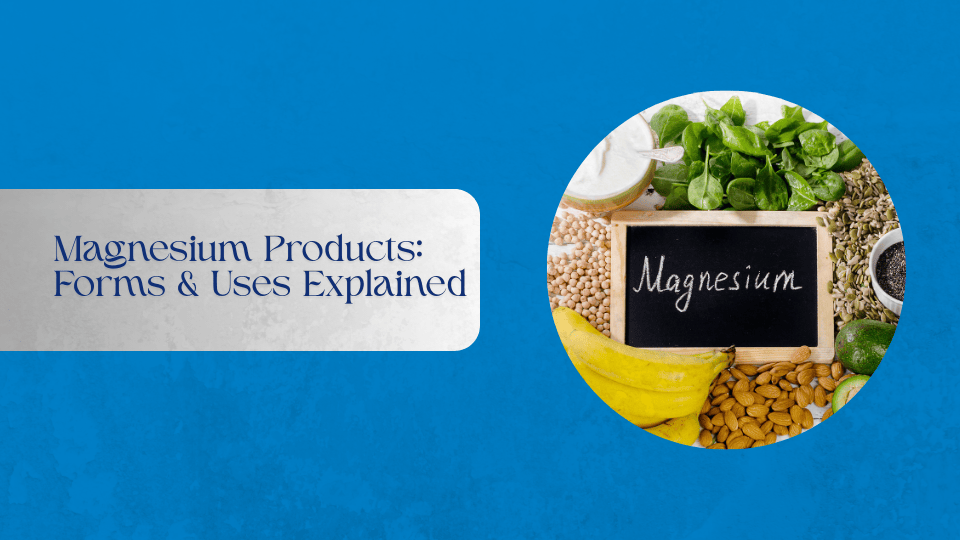
Magnesium is a naturally occurring mineral that plays a role in several neutral biological processes, such as muscle function, energy metabolism, and maintaining electrolyte balance. While it is found in a variety of foods including nuts, seeds, whole grains, and leafy greens, magnesium supplements are available to support general dietary intake.
Magnesium supplements are sold in forms that differ in absorption rates and usability. For individuals exploring options in Australian pharmacies, the Magnesium Supplements category provides a neutral range suitable for general dietary purposes. The National Health and Medical Research Council offers further informational resources about magnesium’s role in the diet.
Common Forms of Magnesium Supplements
Magnesium supplements come in various chemical forms. Common forms include citrate, oxide, glycinate, and malate. Each form has different properties related to absorption and bioavailability, which can influence how the body utilises the mineral.
Consumers can explore these neutral options in the Magnesium Supplements range at trusted Australian pharmacies. Information about general mineral supplementation is available through reputable sources such as Better Health Channel, which provides neutral guidance on nutrition and minerals.
Magnesium Citrate: Overview & Considerations
Magnesium citrate is a magnesium salt combined with citric acid. This form is generally considered more soluble in water, making it a commonly available option for dietary supplementation.
While individual experiences may vary, it is widely used in general dietary contexts. The Magnesium Supplements category includes neutral citrate options for general nutritional support. For general information, the TGA provides guidance on the use of dietary supplements without making health claims.
Magnesium Oxide: Overview & Considerations
Magnesium oxide is a widely available form of magnesium supplement. It contains a high elemental magnesium content per unit, which can be beneficial in general dietary use.
This form may differ in absorption compared with other forms, and consumers seeking neutral information can refer to the Magnesium Supplements range. Additional neutral insights are available from the Australian Government’s Department of Health regarding dietary minerals and general nutrition.
Magnesium Glycinate: Overview & Considerations
Magnesium glycinate is magnesium bound to the amino acid glycine. It is commonly marketed for general nutritional supplementation purposes due to its neutral solubility and mild taste.
Pharmacies in Australia offer Magnesium Supplements that include glycinate options suitable for general dietary use. For broader dietary information, neutral guidance can be found at the NHMRC website.
Magnesium Malate: Overview & Considerations
Magnesium malate is a combination of magnesium and malic acid. This form is available in neutral dietary supplement products and is included in the Magnesium Supplements range.
While marketed with various general benefits, this section provides informational content only. Authoritative references such as the Better Health Channel offer neutral guidance on mineral intake and nutrition.
Tips for Selecting Magnesium Products
When selecting magnesium supplements, individuals can consider factors such as form, general bioavailability, and personal preference for tablet or powder formats. Choosing products from reputable Australian pharmacies ensures quality and regulatory compliance.
Explore the Magnesium Supplements range for a neutral selection of options. For general dietary guidance, see the Australian Government’s Department of Health. This guidance is strictly informational and not a recommendation for therapeutic use.
Storing and Handling Magnesium Supplements
Magnesium supplements should be stored in a cool, dry place and kept in their original packaging to maintain stability. Always follow label instructions for storage.
For general safety and handling tips, refer to neutral guidelines available from the TGA. The Magnesium Supplements range offers products packaged for safe home use, intended purely for informational awareness of dietary supplementation.
Conclusion
Magnesium is an essential dietary mineral available in multiple supplement forms, including citrate, oxide, glycinate, and malate. This article provides a neutral overview of these options to support general consumer awareness and informed exploration of Magnesium Supplements.
Always seek guidance from qualified professionals for personal dietary concerns. For further neutral information on minerals and general nutrition, refer to the Australian Government’s Department of Health.
Disclaimer
This content is for general informational purposes only and is not intended as medical or professional advice. Always seek the guidance of a qualified professional regarding any questions about personal wellbeing or products.
Frequently Asked Questions (FAQs)
- Q1: Can magnesium supplements be taken with food?
Magnesium supplements are often taken with meals to support general tolerance and comfort. Some forms, like citrate or glycinate, may be gentler on the digestive system. For neutral guidance on safe supplement intake, see the TGA dietary supplements information. - Q2: What is the difference between magnesium citrate and magnesium oxide?
Magnesium citrate is generally more soluble in water, while magnesium oxide contains higher elemental magnesium. Both are available as neutral dietary supplements in the Magnesium Supplements range. Authoritative, general information is provided by the Better Health Channel. - Q3: Are there vegetarian or vegan magnesium supplements?
Some magnesium supplements are formulated to be suitable for vegetarian or vegan diets. Check product packaging for neutral dietary information. The Magnesium Supplements range includes options for general nutritional awareness. Neutral guidance on supplements is available from the NHMRC.