Table of Contents
- Introduction
- Understanding Sensitive Skin
- Common Triggers for Eczema Flare-Ups
- Choosing Gentle Cleansers
- Moisturising for Eczema-Prone Skin
- Bathing Tips for Sensitive Skin
- Selecting Fragrance-Free Products
- Clothing and Fabric Considerations
- Lifestyle Habits That Support Skin Comfort
- Optional: When to Seek Professional Advice
- Conclusion
- Frequently Asked Questions (FAQs)
Introduction
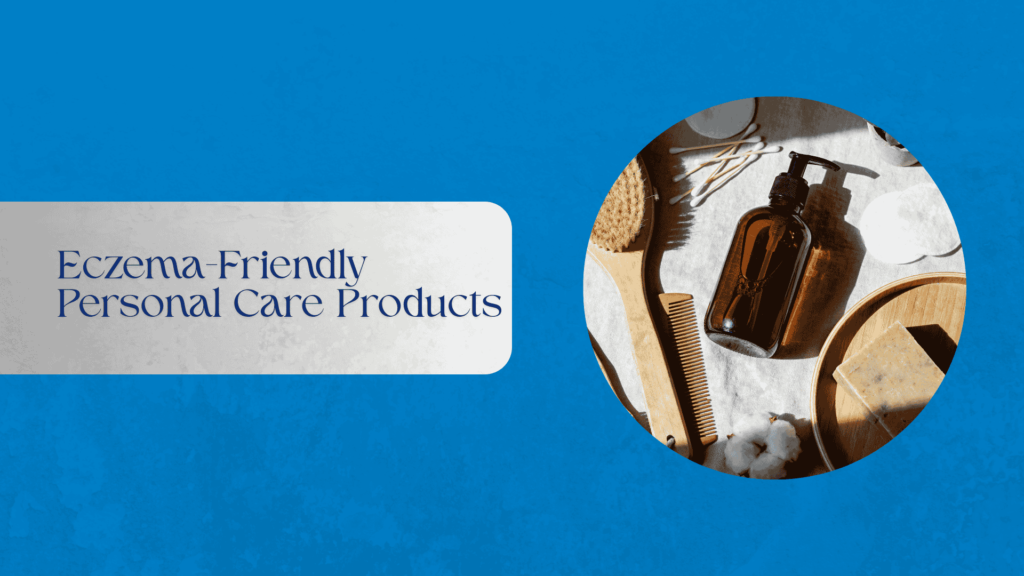
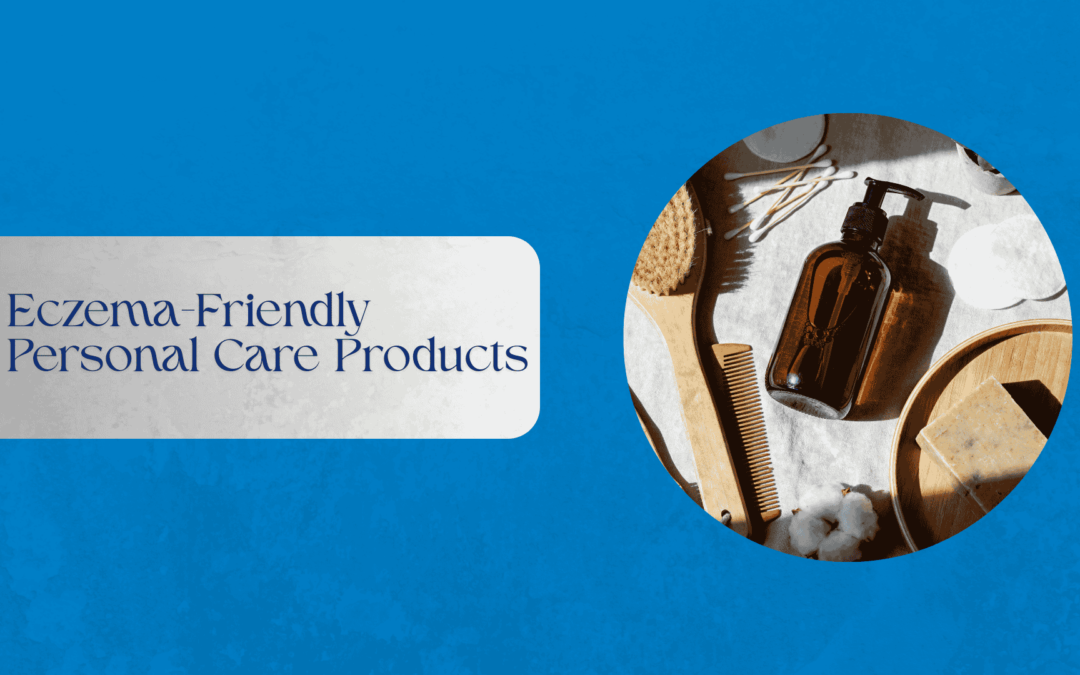
Managing sensitive skin requires careful consideration when selecting personal care products. For individuals with eczema-prone skin, gentle, non-irritating products are essential to maintain comfort and skin health. This guide explores practical, neutral tips for choosing Eczema Care Products suitable for daily use, focusing on mild formulations, fragrance-free options, and supportive skincare habits. While this content is informational and not a substitute for professional medical advice, it references reputable Australian sources, such as the Australian Government’s Skin Health Information, to help readers make informed choices. By understanding sensitive skin needs, you can create a simple, manageable routine that minimises irritation and supports overall skin comfort.
Understanding Sensitive Skin
Sensitive skin reacts more easily to environmental factors, harsh ingredients, and friction from clothing. People with eczema may notice dryness, redness, or temporary discomfort when exposed to certain products. Understanding the skin barrier and the importance of maintaining hydration is key. Neutral guidance emphasises using mild, hypoallergenic products, avoiding unnecessary additives, and considering pH-balanced formulations. Incorporating Eczema Care Products designed for gentle daily use can reduce the likelihood of irritation. Authoritative external resources, like DermNet NZ – Sensitive Skin, provide further factual information on skin physiology and care considerations.
Common Triggers for Eczema Flare-Ups
Certain triggers can temporarily aggravate sensitive skin, including soaps with strong detergents, fragrances, and prolonged exposure to water or heat. While this article does not provide medical advice, it is useful to recognise common environmental and product-related triggers. Keeping a neutral log of how your skin responds to different products can help identify irritants without making health claims. For further guidance, the Australian Eczema Association provides factual information on skin triggers and maintenance strategies. Choosing neutral Eczema Care Products that are free from harsh chemicals can be part of a supportive daily routine.
Choosing Gentle Cleansers
Gentle cleansing is crucial for maintaining the natural barrier of sensitive skin. Mild, soap-free cleansers can minimise dryness and irritation. Avoiding products with strong surfactants or unnecessary additives ensures skin remains comfortable. When selecting cleansers, look for labels indicating “fragrance-free,” “hypoallergenic,” and “dermatologically tested.” Incorporating these neutral products into daily hygiene routines supports skin comfort without implying therapeutic outcomes. For guidance on product safety, reference TGA’s cosmetic and skincare safety advice. Using Eczema Care Products ensures that the cleansing process is gentle yet effective.
Moisturising for Eczema-Prone Skin
Moisturisers help maintain skin hydration and reduce dryness associated with sensitive skin. Neutral tips include applying moisturiser immediately after washing, choosing fragrance-free creams or lotions, and avoiding products with potential irritants. While moisturising is an important comfort practice, this content does not claim to prevent or treat eczema. For evidence-based information, see Skin Health Australia – Dry and Sensitive Skin. Selecting appropriate Eczema Care Products for daily use can contribute to maintaining skin comfort and softness in a neutral, safe way.
Bathing Tips for Sensitive Skin
Bathing can affect skin hydration and comfort. Neutral recommendations suggest shorter showers or baths with lukewarm water and minimal use of harsh soaps. Gently patting skin dry rather than rubbing can help maintain the skin’s natural barrier. Using Eczema Care Products designed for sensitive skin during bathing can reduce friction and irritation. External sources such as Australian Government – Healthy Skin Tips provide safe practices for everyday skin care routines. These tips aim to support skin comfort without making any therapeutic claims.
Selecting Fragrance-Free Products
Fragrances can irritate sensitive skin, so neutral advice suggests choosing products explicitly marked as fragrance-free. This includes cleansers, moisturisers, and personal care items. Reading product labels carefully can prevent exposure to potential irritants. Neutral, fragrance-free Eczema Care Products are widely available and suitable for routine use. Authoritative guidance on avoiding irritants can be found at DermNet NZ – Fragrance in Skincare. This approach prioritises comfort and safety rather than implying any medical benefit.
Clothing and Fabric Considerations
Certain fabrics, such as wool or rough synthetics, may aggravate sensitive skin. Neutral recommendations include wearing soft, breathable fabrics like cotton and avoiding tight-fitting garments that rub against the skin. Washing new clothes before wearing and using mild, fragrance-free detergents can further minimise irritation. Incorporating Eczema Care Products alongside these practices can enhance everyday skin comfort. External guidance from Australian Skin Foundation provides neutral advice on clothing and fabric choices for sensitive skin.
Lifestyle Habits That Support Skin Comfort
While lifestyle habits do not treat or prevent eczema, general comfort practices can support skin wellbeing. Maintaining moderate indoor humidity, avoiding excessive heat, and staying hydrated are neutral tips for everyday routines. Using Eczema Care Products in conjunction with these habits helps maintain softness and comfort in the skin. Authoritative external references such as Health Direct – Sensitive Skin provide safe, factual guidance for maintaining comfort.
Optional: When to Seek Professional Advice
While this article provides general informational guidance, individuals experiencing persistent discomfort or skin issues should consult a qualified health professional. Neutral advice includes discussing skincare routines, product suitability, and environmental factors with a dermatologist or healthcare provider. This section avoids any claims about treatment or prevention. For factual information, see Australian Dermatology Association. Using neutral Eczema Care Products can complement professional advice in maintaining everyday skin comfort.
Conclusion
Choosing eczema-friendly personal care products involves selecting gentle, fragrance-free, and hypoallergenic options suitable for daily use. By understanding sensitive skin triggers, using mild cleansers and moisturisers, and considering lifestyle and fabric choices, individuals can support skin comfort without implying treatment or prevention. Neutral Eczema Care Products are a convenient addition to a routine designed for comfort and safety. For further neutral guidance, refer to authoritative Australian sources such as Health Direct – Skin Health.
- Explore our Eczema Care Products range
- Browse Sensitive Skin Care essentials
Disclaimer
This content is for general informational purposes only and is not intended as medical or professional advice. Always seek the guidance of a qualified professional regarding any questions about personal wellbeing or products.
Frequently Asked Questions (FAQs)
- Q1: Are all fragrance-free products safe for eczema-prone skin?
A: Fragrance-free products are generally milder, but individual sensitivities vary. Patch testing new products and consulting DermNet NZ for guidance is recommended. Using Eczema Care Products designed for sensitive skin helps minimise discomfort. - Q2: Can changing fabrics improve skin comfort?
A: Soft, breathable fabrics such as cotton can reduce friction and irritation. Avoiding rough or tight fabrics complements neutral skincare routines. For further tips, see Australian Skin Foundation.