by Consideration Matters AU | Dec 24, 2025 | Consideration
Table of Contents
- Introduction
- Understanding Sunscreen Formats
- Lotions: How They Work
- Sprays: Convenience & Application
- Sticks: Targeted Coverage
- Choosing the Right Format for Your Skin
- Application Tips for Maximum Coverage
- Reapplication: Timing and Frequency
- Travel-Friendly Sunscreen Options
- Storage & Shelf Life Considerations
- Conclusion
- Frequently Asked Questions (FAQ)
Introduction
Sunscreen is an essential part of everyday sun protection. While its role in protecting skin from UV exposure is well-recognized, choosing the right format can feel overwhelming. Sunscreens come in various forms, including lotions, sprays, and sticks, each designed to suit different needs, preferences, and occasions. Understanding these differences helps you select a product that is easy to apply, comfortable to wear, and fits your lifestyle.
For example, our Sunscreen Products range offers multiple formats suitable for adults and children alike, all formulated to provide broad-spectrum coverage. When learning about sunscreen formats, it’s important to rely on reputable guidance. The Australian Radiation Protection and Nuclear Safety Agency (ARPANSA) provides comprehensive information on safe sun practices and sunscreen use (source).
This guide explores each format in detail, offering tips on application, convenience, and portability, helping you make informed, neutral decisions for sun-safe living.
Understanding Sunscreen Formats
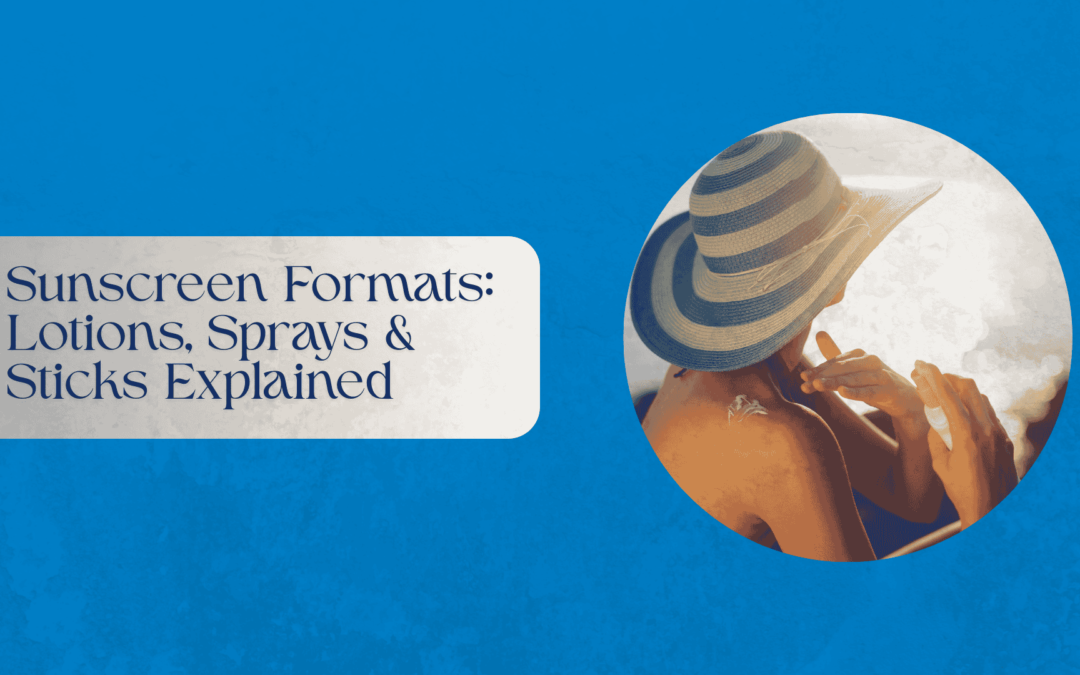
Sunscreens are designed to deliver UV protection in various formats, catering to different preferences and skin types. The most common formats are lotions, sprays, and sticks, each providing similar protection but differing in texture, ease of application, and portability. Understanding these distinctions can improve your sunscreen routine without compromising safety.
Lotions typically spread smoothly and are ideal for broad coverage, while sprays provide quick application over large areas. Sticks, meanwhile, are convenient for precise areas like the face, lips, or around the eyes. Each format allows users to integrate sun protection into their daily routines efficiently.
For further guidance on sun protection principles, the Australian Government’s Department of Health offers a detailed resource on choosing appropriate sun protection measures (source). Meanwhile, neutral Sunscreen Products can support consistent daily application across formats.
Lotions: How They Work
Lotions are the traditional form of sunscreen, often favoured for their smooth texture and ability to cover large areas evenly. They are particularly suitable for dry or sensitive skin, as the formulation often contains moisturising ingredients.
Applying lotion requires attention to quantity and uniformity to ensure effective coverage. Typically, a generous amount is recommended for each exposed area. Lotions can be layered with other skincare products, making them versatile for daily routines.
For credible advice on sunscreen application techniques, ARPANSA offers detailed guidelines (source). Neutral Sunscreen Products in lotion format are widely available in pharmacies and can be incorporated easily into morning skincare or outdoor activity preparation.
Sprays: Convenience & Application
Spray sunscreens offer a quick and convenient method for covering larger areas of the body. They are popular for active lifestyles, beach trips, or situations where rapid application is needed. Sprays can also be useful for individuals who find lotion difficult to apply evenly.
However, ensuring full coverage with sprays may require careful attention, such as applying in a shaded area, spraying generously, and rubbing in to avoid missed spots. Sprays are also beneficial for reapplication over clothing or gear without leaving a sticky residue.
The Australian Government provides practical guidance on using spray sunscreens safely, including avoiding inhalation and ensuring even coverage (source). Neutral Sunscreen Products sprays are ideal for those seeking efficiency in their sun protection routine.
Sticks: Targeted Coverage
Sunscreen sticks provide precise application, making them ideal for sensitive or hard-to-reach areas like the face, lips, ears, and around the eyes. They are often travel-friendly and easy to carry in a bag or pocket.
Sticks allow controlled application and reduce the risk of excess product on hands or clothing. They are also convenient for on-the-go reapplication throughout the day. Despite their small size, sticks still offer broad-spectrum protection and can complement lotions or sprays for complete coverage.
For further reading on safe sun practices, the Cancer Council Australia provides neutral advice on effective sunscreen use (source). Neutral Sunscreen Products sticks are suitable for those prioritizing convenience and targeted application.
Choosing the Right Format for Your Skin
Selecting a sunscreen format depends on your skin type, lifestyle, and personal preference. Lotions may suit dry or sensitive skin, sprays are ideal for quick application over large areas, and sticks provide precision for delicate regions.
Consider factors such as water resistance, ease of reapplication, and compatibility with makeup or other skincare products. It is often helpful to keep more than one format on hand to accommodate different settings, such as outdoor sports, daily commuting, or beach visits.
Neutral resources, like the Australian Government’s sun safety tips (source), can help guide format choice. Incorporating Sunscreen Products into your routine ensures that you have accessible and compliant protection options.
Application Tips for Maximum Coverage
Proper application ensures sunscreens provide effective coverage. Recommendations include using sufficient product, applying evenly, and covering all exposed areas. Pay attention to areas like the back of the neck, ears, and tops of feet, which are commonly missed.
Layering products carefully and applying before exposure helps maintain consistency throughout the day. Combining formats can also enhance ease of use — for example, lotion on the body, stick on the face, and spray for quick touch-ups.
For detailed application guidelines, ARPANSA offers authoritative information (source). Neutral Sunscreen Products facilitate consistent and compliant use across all formats.
Reapplication: Timing and Frequency
Sunscreens require reapplication to maintain effectiveness. Generally, reapplication is advised after swimming, sweating, or prolonged sun exposure. Even “water-resistant” formulations benefit from regular touch-ups.
Establishing a routine for reapplication ensures ongoing coverage, especially for active individuals or outdoor workers. Using convenient formats such as sprays or sticks can make frequent application easier and less disruptive.
The Cancer Council Australia provides clear guidance on reapplication timing (source). Neutral Sunscreen Products formats support practical, daily reapplication without compromising comfort or usability.
Travel-Friendly Sunscreen Options
Compact formats such as sticks and small spray bottles are ideal for travel. They comply with airline liquid restrictions, fit easily in bags, and are convenient for on-the-go sun protection.
Travel-friendly products allow individuals to maintain consistent routines while away from home. Combining a stick for face protection with a lotion or spray for body coverage ensures flexibility and convenience.
Neutral advice on sun safety while traveling is available from the Australian Government (source). Sunscreen Products in travel-friendly formats offer practical solutions for maintaining coverage during holidays or commuting.
Storage & Shelf Life Considerations
Sunscreens are best stored in cool, dry conditions, away from direct sunlight. Exposure to heat or prolonged storage can reduce effectiveness. Check product labels for expiry dates and recommended storage practices.
Keeping sunscreen properly stored ensures reliable coverage and prevents premature degradation. Using formats suitable for your lifestyle, whether lotion, spray, or stick, supports consistent and compliant use over time.
The Australian Government provides neutral guidance on sunscreen storage and safety (source). Neutral Sunscreen Products are formulated for stability, offering dependable performance across different formats.
Conclusion
Understanding sunscreen formats helps make sun protection practical, efficient, and suitable for diverse needs. Lotions provide broad coverage, sprays offer convenience, and sticks allow precise application for sensitive areas. By combining formats and following reapplication guidelines, users can maintain consistent coverage in a variety of settings.
Neutral Sunscreen Products provide a range of options suitable for daily use, travel, and outdoor activities. For additional guidance on safe sun practices, refer to ARPANSA or the Cancer Council Australia (source).
Disclaimer: This content is for general informational purposes only and is not intended as medical or professional advice. Always seek the guidance of a qualified professional regarding any questions about personal wellbeing or products.
Frequently Asked Questions (FAQ)
- Q1: How often should I reapply sunscreen?
Reapplication is recommended every two hours, or after swimming, sweating, or towel-drying. Using convenient formats like sprays or sticks can simplify frequent application. Neutral Sunscreen Products support consistent protection.
- Q2: Can I mix sunscreen formats?
Yes. Many people use lotion on the body, sticks for facial areas, and sprays for quick touch-ups. Combining formats is a practical approach to maintaining coverage. Refer to ARPANSA for safe application techniques (source).
by Consideration Matters AU | Dec 20, 2025 | Consideration
Table of Contents
- Introduction
- Identifying Your Face Shape
- Sunglasses for Round Faces
- Sunglasses for Oval Faces
- Sunglasses for Square Faces
- Sunglasses for Heart-Shaped Faces
- Sunglasses for Diamond Faces
- Tips for Choosing Sunglasses
- Caring for Your Sunglasses
- Conclusion
- Frequently Asked Questions (FAQs)
Introduction
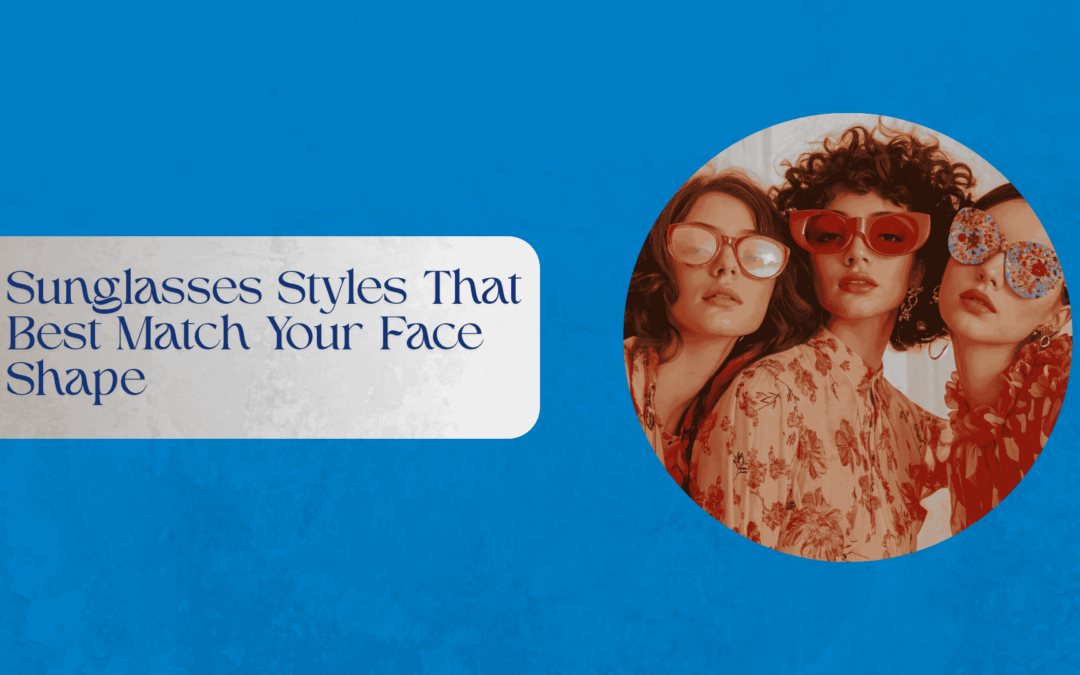
Finding the right sunglasses is more than a style choice — it’s about complementing your facial features while ensuring eye protection. Matching sunglasses to your face shape can enhance your appearance and provide comfort during daily wear. Whether you prefer oversized frames, aviators, or classic wayfarers, selecting the right style can make a noticeable difference.
When exploring different frames, consider Sunglasses & Eye Protection Products available from trusted Australian retailers for neutral guidance on frame types. For authoritative information on eye health and UV protection, consult resources such as the Australian Government’s Eye Health Information.
In this guide, we’ll explore the most common face shapes and recommend suitable sunglasses styles for each, helping you make informed choices while staying stylish and protecting your eyes.
[Sunglasses & Eye Protection Products]
Australian Government Eye Health
Identifying Your Face Shape
Understanding your face shape is the first step in selecting sunglasses that suit you. Typically, face shapes are classified as round, oval, square, heart-shaped, or diamond. To determine your face shape, observe your jawline, cheekbones, and forehead proportions in a mirror. Using a soft measuring tape can also provide clarity.
Round faces feature softer, curved lines, while square faces display a more angular jaw and forehead. Oval faces are longer than they are wide, with balanced proportions, and heart-shaped faces have a broader forehead tapering to a narrow chin. Diamond faces are characterized by prominent cheekbones and a narrow forehead and jawline.
Identifying your face shape helps you choose sunglasses that balance and complement your features. Neutral eyewear guides or reputable retailers like Sunglasses & Eye Protection Products can assist with visual references. For tips on eye care, you may refer to Australasian optometry guidance.
[Sunglasses & Eye Protection Products]
Optometry Australia – Eye Care Tips
Sunglasses for Round Faces
Round faces often have fuller cheeks and a rounded jawline. To create contrast and structure, rectangular, square, or angular frames work best. These shapes help elongate the face and provide definition. Avoid circular or overly small frames, as they can exaggerate roundness.
When selecting frames, consider neutral colour options or subtle patterns to maintain balance. Lightweight materials like acetate or metal offer comfort and durability. Retailers such as Sunglasses & Eye Protection Products provide a variety of neutral styles suited for round faces.
For additional eye protection and UV safety, refer to official recommendations from the Australian Government on UV exposure. Choosing sunglasses that fit well ensures comfort and prevents slipping, which is important for long-term wear.
[Sunglasses & Eye Protection Products]
Australian Government – SunSmart UV Protection
Sunglasses for Oval Faces
Oval faces are considered versatile for sunglasses because of their balanced proportions. Most frame shapes complement this face type, including aviators, wayfarers, and oversized styles. The key is maintaining harmony with your features rather than overpowering them.
For oval faces, select frames that are slightly wider than the broadest part of the face to maintain proportion. Lightweight and comfortable designs ensure you can wear sunglasses for extended periods without discomfort. Trusted retailers like Sunglasses & Eye Protection Products provide a range of neutral frame styles suitable for oval faces.
External resources, such as Australasian eye health guidelines, provide information on protecting your eyes from UV damage while wearing sunglasses. Ensuring proper coverage and fit is essential for both style and eye safety.
[Sunglasses & Eye Protection Products]
Australian Government Eye Health
Sunglasses for Square Faces
Square faces feature strong jawlines and prominent cheekbones. Rounded or oval frames soften angular features, creating visual balance. Avoid overly geometric or narrow frames, which can accentuate angles.
Neutral colour options, such as black, brown, or tortoiseshell, suit a variety of styles and occasions. Lightweight materials ensure comfort during prolonged wear. Browse collections at Sunglasses & Eye Protection Products for suitable, neutral frame options.
It’s important to consider UV protection as well as style. Official advice from SunSmart and optometry associations highlights the importance of full eye coverage for prolonged outdoor activities. Properly fitted sunglasses enhance both appearance and eye safety.
[Sunglasses & Eye Protection Products]
SunSmart UV Protection
Sunglasses for Heart-Shaped Faces
Heart-shaped faces have broader foreheads and narrower chins. Frames that are wider at the bottom or with gentle curves help balance facial proportions. Rimless or lightly coloured frames are ideal for softening the upper face.
Consider adjustable nose pads and lightweight materials for comfortable wear. Trusted Australian retailers, such as Sunglasses & Eye Protection Products, offer neutral styles suitable for heart-shaped faces.
Protecting eyes from UV exposure is important. Refer to Australian Government UV protection guidelines for tips on selecting sunglasses that offer adequate coverage. Selecting frames with proper fit ensures both comfort and style.
[Sunglasses & Eye Protection Products]
Australian Government UV Protection
Sunglasses for Diamond Faces
Diamond-shaped faces feature high cheekbones with narrower forehead and jawline. Oval or rimless frames complement these features and reduce sharp contrasts. Cat-eye or slightly curved styles can highlight the cheekbones while maintaining balance.
Neutral colours and lightweight materials are recommended for comfort and versatility. Browse options at Sunglasses & Eye Protection Products for styles that suit diamond-shaped faces.
Eye protection is crucial when outdoors. Trusted resources, including Australasian optometry guides, emphasize full coverage and UV protection for prolonged exposure. Well-fitted sunglasses prevent slippage and enhance comfort.
[Sunglasses & Eye Protection Products]
Optometry Australia
Tips for Choosing Sunglasses
When selecting sunglasses, consider factors beyond face shape. Frame size should suit the width of your face, while lens coverage ensures adequate protection. Adjustable features, such as nose pads and flexible arms, improve comfort.
Neutral colour choices enhance versatility, while lightweight materials support long-term wear. Always check fit and ensure the sunglasses sit comfortably without sliding. Trusted retailers like Sunglasses & Eye Protection Products provide detailed guidance for safe and stylish selection.
For authoritative advice on eye health and UV protection, consult Australian Government resources. Choosing sunglasses that combine style, comfort, and coverage helps maintain visual comfort and protects your eyes in the long term.
[Sunglasses & Eye Protection Products]
Australian Government Eye Health
Caring for Your Sunglasses
Proper care extends the life of your sunglasses. Use a microfiber cloth to clean lenses and avoid abrasive materials. Store sunglasses in a protective case to prevent scratches and frame damage.
Regular adjustments and inspections help maintain comfort and fit. Neutral accessories and cleaning kits are available from Sunglasses & Eye Protection Products, offering safe maintenance solutions.
External guidance, including Optometry Australia, provides tips for cleaning, storage, and maintenance to ensure longevity and comfort. Proper care helps maintain both appearance and eye protection over time.
[Sunglasses & Eye Protection Products]
Optometry Australia – Sunglasses Care
Conclusion
Selecting the right sunglasses involves understanding your face shape, frame style, and comfort needs. Whether your face is round, oval, square, heart-shaped, or diamond-shaped, there are neutral, stylish options that enhance your features while protecting your eyes.
Australian retailers like Sunglasses & Eye Protection Products provide versatile collections for every face type. Combining style, comfort, and proper UV protection ensures your sunglasses are both fashionable and functional.
For more information on eye safety and care, consult authoritative resources like the Australian Government Eye Health portal. Always choose sunglasses that provide adequate coverage, fit comfortably, and complement your personal style.
[Sunglasses & Eye Protection Products]
Australian Government Eye Health
Browse the [Sunglasses & Eye Protection Products] range today for styles that match your face shape.
Disclaimer
“This content is for general informational purposes only and is not intended as medical or professional advice. Always seek the guidance of a qualified professional regarding any questions about personal wellbeing or products.”
Frequently Asked Questions (FAQs)
- Q1: How do I determine my face shape for sunglasses?
Use a mirror and note your forehead, cheekbones, and jawline. Measuring with a tape can help identify proportions. Consult guides from retailers like Sunglasses & Eye Protection Products for visual references. External guidance is available from Optometry Australia.
- Q2: Are UV-protection sunglasses necessary?
Yes. UV protection reduces the risk of eye discomfort and long-term exposure effects. For safe UV practices, see Australian Government SunSmart guidelines.