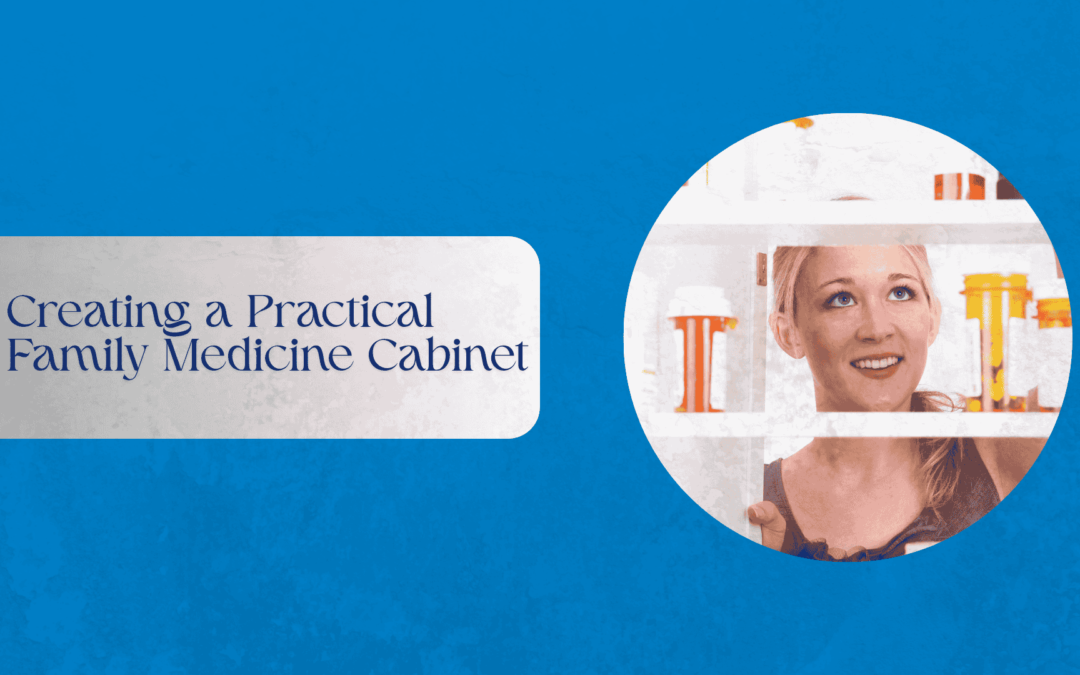
Creating a Practical Family Medicine Cabinet

Creating a Practical Family Medicine Cabinet

Table of Contents

  1. Introduction
  2. Understanding the Purpose of a Family Medicine Cabinet
  3. Essential Medications to Include
  4. First Aid Supplies for Everyday Emergencies
  5. Safe Storage and Accessibility
  6. Checking Expiry Dates and Rotating Stock
  7. Organising by Family Member Needs
  8. Travel-Friendly Medicine Kit Tips
  9. Keeping Track with a Medicine Inventory
  10. Optional: Natural Remedies and Non-Medicated Items
  11. Conclusion
  12. Frequently Asked Questions (FAQs)

Introduction

Creating a well-organised family medicine cabinet can help households manage minor illnesses, injuries, and daily health needs in a safe and efficient manner. A practical cabinet ensures that commonly needed items are easily accessible, while reducing clutter and avoiding expired or unsafe products.

When planning your family medicine cabinet, it’s important to focus on essentials rather than specialty or high-risk items. A carefully selected collection of over-the-counter medications, first aid supplies, and supportive home health products can make everyday situations more manageable.

For guidance on general medicine safety and storage, the Australian Government’s Health Department provides neutral recommendations for households. For a neutral range of products suitable for family use, explore our Family Medicine Essentials collection.

Understanding the Purpose of a Family Medicine Cabinet

A family medicine cabinet serves as a central location for items used to manage common, everyday health needs at home. The goal is not to replace professional medical advice but to provide convenience and preparedness for minor ailments and minor injuries.

Organising your cabinet thoughtfully can help reduce stress during unexpected situations. By keeping only appropriate items and regularly reviewing them, households can maintain a safe and functional medicine cabinet. Using neutral storage solutions like labeled boxes or clear drawers can make retrieval easier and help prevent misuse by children.

for safety guidance: TGA – Medicines in the Home.

Family Medicine Essentials.

Essential Medications to Include

When stocking a family medicine cabinet, prioritise neutral, low-risk over-the-counter items suitable for general use. Common categories include:

  • Pain relief suitable for different ages
  • Fever management options
  • Cold and flu supportive products (non-therapeutic)
  • Digestive comfort items for adults and children

Always read and follow product instructions, and avoid including items that require medical supervision. A clear internal reference is our Family Medicine Essentials range. For more information on safe usage, visit Healthdirect – Medicines Safety.

First Aid Supplies for Everyday Emergencies

A basic first aid kit complements your medicine cabinet and can include:

  • Adhesive bandages of various sizes
  • Sterile gauze and dressings
  • Medical tape and scissors
  • Antiseptic wipes or sprays (neutral, approved products)
  • Cold packs for minor bumps

First aid preparedness ensures minor injuries are addressed promptly. Store these items in a separate, clearly labeled container to avoid mixing them with medications. Healthdirect First Aid Tips provides guidance for safe home first aid practices.

Safe Storage and Accessibility

Storing medicines correctly helps maintain safety and effectiveness. Consider these tips:

  • Keep products in a cool, dry place away from sunlight

  • Use child-resistant containers for items that could be hazardous
  • Store frequently used products at eye level for adults
  • Avoid storing near the kitchen or bathroom where moisture can affect shelf life

Safe storage protects both children and adults from accidental misuse. Reference: TGA – Storing Medicines Safely.

Family Medicine Essentials.

Checking Expiry Dates and Rotating Stock

Regularly reviewing your cabinet ensures that all items are safe to use. Tips include:

  • Check expiry dates every 6–12 months
  • Rotate older stock to the front for use first
  • Dispose of expired medications safely at community medicine take-back points

Maintaining up-to-date products prevents accidental use of ineffective or unsafe items. For disposal guidance, visit Pharmaceutical Disposal Programs.

Organising by Family Member Needs

Different family members may require different products or dosages. Consider:

  • Using separate bins or labels for children, adults, and seniors
  • Highlighting items that require age-specific instructions
  • Keeping frequently used products easily visible

A family-focused organisation system simplifies access and ensures correct usage. Reference: Family Health Organisation – Home Medicine Management.

Travel-Friendly Medicine Kit Tips

If your family frequently travels, a compact, travel-friendly medicine kit can be useful:

Keeping Track with a Medicine Inventory

Maintaining a simple inventory helps track quantities, expiry dates, and usage patterns:

  • Use a small notebook or digital app
  • Note each product’s purchase date and expiry
  • Update the list whenever items are added or used

This approach reduces waste, prevents shortages, and ensures your cabinet remains practical and organised. External reference: Healthdirect – Medication Management.

Optional: Natural Remedies and Non-Medicated Items

Some households may include neutral, non-medicinal items such as:

  • Hydration aids like oral rehydration solutions (non-therapeutic)
  • Saline sprays or drops for nasal comfort
  • Humidifier or cooling packs

Ensure any additional items are safe, non-therapeutic, and compliant with Australian standards. Reference: TGA – Complementary Medicines Guidelines.

Conclusion

A practical family medicine cabinet focuses on preparedness, organisation, and safety. By including essential medicines, first aid supplies, and neutral supportive products, families can manage everyday health needs efficiently while avoiding unnecessary risks.

Regularly reviewing stock, checking expiry dates, and maintaining clear organisation ensures that your cabinet remains functional and safe. Consider travel-friendly kits and digital inventories to further enhance convenience.

Explore our Family Medicine Essentials range for neutral products suitable for family use. For additional guidance on safe medicine practices, visit the Australian Government Health Department.

Disclaimer

“This content is for general informational purposes only and is not intended as medical or professional advice. Always seek the guidance of a qualified professional regarding any questions about personal wellbeing or products.”

Frequently Asked Questions (FAQs)

  • Q1: How often should I review my family medicine cabinet?
    A1: It’s recommended to review your medicine cabinet every 6–12 months, checking expiry dates, stock levels, and relevance of items. Keeping an updated inventory helps maintain safety and readiness. Reference: TGA – Medicines in the Home. Internal link: Family Medicine Essentials.
  • Q2: Can children access the medicine cabinet?
    A2: Medicines and first aid supplies should be stored in child-resistant containers or out of reach of children. Organising by age-appropriate needs helps ensure safety. External reference: Healthdirect – Child Safety.
  • Q3: What should I include in a travel-friendly medicine kit?
    A3: A compact kit with essential items, waterproof containers, and product instructions is ideal. Only carry items relevant for the duration of your trip. Internal link: Family Medicine Essentials. External reference: Travel Health – Australian Government.
Refreshing Your Home Health Kit for the New Year

Refreshing Your Home Health Kit for the New Year

Table of Contents

  1. Why Updating Your Home Health Kit Matters
  2. Checking Expiry Dates and Replacements
  3. Organising Your Medications Safely
  4. Essentials for Everyday Ailments
  5. First Aid Basics to Keep on Hand
  6. Hydration and Comfort Items
  7. Seasonal Considerations for Home Health
  8. Safe Storage and Accessibility Tips
  9. Reviewing Health Equipment and Devices
  10. Planning for Emergencies
  11. Maintaining a Ready and Useful Health Kit
  12. Frequently Asked Questions (FAQs)

Why Updating Your Home Health Kit Matters

The start of a new year is the perfect time to review and refresh your home health kit. Keeping essential items organised and up-to-date ensures your household can manage minor health concerns safely and conveniently. A well-prepared kit can save time, reduce stress, and provide peace of mind during everyday situations. While it’s not a substitute for professional medical advice, ensuring your home health kit contains current, safe, and functional items is a practical step for overall household preparedness.

Include at least one  to the Home Health Essentials range and an authoritative external source such as Healthdirect Australia.

Checking Expiry Dates and Replacements

Reviewing your kit for expired or nearly expired items is a simple but important step. Medications, topical creams, and antiseptics can lose effectiveness over time, so check labels carefully. Discard any products past their expiry dates and replace them with fresh stock from approved pharmacy ranges. Consider keeping a checklist to track what’s due for replacement. This habit helps maintain a kit that is safe and reliable, ready when needed for everyday minor health needs.

Home Health Essentials
TGA Medicine Expiry Guidance

Organising Your Medications Safely

Organised storage reduces confusion and improves safety for everyone in the household. Group medications by type, clearly label items, and keep a list of usage instructions. Consider a dedicated container or section in your kit for over-the-counter essentials. Ensure items are stored out of reach of children and pets. Avoid overcrowding compartments, and rotate items periodically to maintain freshness and accessibility.

Home Health Essentials
Healthdirect: Storing Medications Safely

Essentials for Everyday Ailments

Your kit should include neutral items for common minor issues such as headaches, mild aches, or digestive discomfort. Simple items like adhesive bandages, antiseptic wipes, and pain relief options (from your approved pharmacy range) provide practical support for minor ailments. Include items that can be used for multiple purposes, such as cold packs, which can help with bumps or strains. Always follow the product instructions and store them safely.

Home Health Essentials
Healthdirect: Everyday First Aid

First Aid Basics to Keep on Hand

A well-stocked first aid section is a key component of any home health kit. Consider including sterile dressings, gauze, adhesive tape, gloves, and scissors. A simple first aid guide can help you respond appropriately to minor cuts or scrapes. Remember, this is for immediate care only; serious injuries should receive professional attention promptly. Keeping your first aid supplies organised and easily accessible can make a meaningful difference in everyday situations.

Home Health Essentials
Australian Red Cross: First Aid Tips

Hydration and Comfort Items

Supporting comfort and hydration is part of a practical home health kit. Include items such as oral rehydration solutions, water bottles, and soft tissues. Comfortable blankets or heat packs can provide additional relief during mild discomfort. Maintaining easy access to these items helps household members manage minor ailments and enhances general preparedness. Consider checking expiry dates on consumables regularly and replacing as needed.

Home Health Essentials
Healthdirect: Hydration Advice

Seasonal Considerations for Home Health

Different seasons can influence which items are most useful in your kit. Summer may require extra sun protection and cooling packs, while winter might call for tissues, hand sanitiser, and warming aids. Planning for seasonal changes ensures that your kit remains relevant and functional throughout the year. Rotating items with seasonal needs can help maintain an efficient and practical home health kit without overcrowding storage spaces.

Home Health Essentials
Healthdirect: Seasonal Health Tips

Safe Storage and Accessibility Tips

Safe storage is vital for effectiveness and safety. Keep your kit in a cool, dry location away from direct sunlight and moisture. Clearly label all compartments and consider using transparent containers for quick visibility. Ensure the kit is accessible to adults but out of reach of children. Regularly review storage practices to maintain hygiene and functionality, particularly if your household has young children or pets.

Home Health Essentials
Healthdirect: Medication Safety

Reviewing Health Equipment and Devices

Alongside consumables, review any health devices in your kit, such as thermometers, blood pressure monitors, or glucose testing kits. Check batteries, functionality, and calibration if necessary. Keeping equipment in working order ensures it can be used effectively when needed. Replace or service any items that are damaged or no longer accurate to maintain reliability.

Home Health Essentials
Healthdirect: Home Health Devices

Planning for Emergencies

Even a neutral home health kit should include items useful in unexpected situations, such as extra bandages, gloves, and a flashlight. Preparing for minor emergencies promotes household safety without making claims about preventing illness. Include a simple checklist of key items and ensure all household members know where the kit is located. Updating this checklist annually can keep your kit current and practical.

Home Health Essentials
Australian Government: Emergency Preparation

Maintaining a Ready and Useful Health Kit

Refreshing your home health kit at the start of the year is a simple yet effective way to maintain household readiness. By checking expiry dates, organising items safely, including first aid and everyday essentials, and accounting for seasonal needs, you can ensure your kit is practical and reliable. Remember, this is for general information purposes and not a substitute for professional medical guidance. Consider reviewing your kit annually and updating it as needed.

Explore Home Health Essentials or browse our Home Health category for approved items.

Healthdirect Australia

Disclaimer

“This content is for general informational purposes only and is not intended as medical or professional advice. Always seek the guidance of a qualified professional regarding any questions about personal wellbeing or products.”

Frequently Asked Questions (FAQs)

  • Q1: How often should I check my home health kit?
    It’s recommended to review your kit at least once a year. Check expiry dates, replace used items, and reorganise contents for accessibility. Keeping a checklist can make the process easier. Internal link: Home Health Essentials | External link: TGA: Medicine Expiry Guidance
  • Q2: What items are essential for a home health kit?
    Essentials include bandages, antiseptic wipes, basic medications, first aid supplies, and any personal items you commonly use. Consider seasonal additions and safe storage practices. Internal link: Home Health Essentials | External link: Healthdirect First Aid Kits
  • Q3: How can I make my kit more accessible?
    Use labelled containers, transparent organisers, and store items in a cool, dry, easy-to-reach location. Ensure children and pets cannot access the kit directly. Internal link: Home Health Essentials | External link: Healthdirect Medication Safety