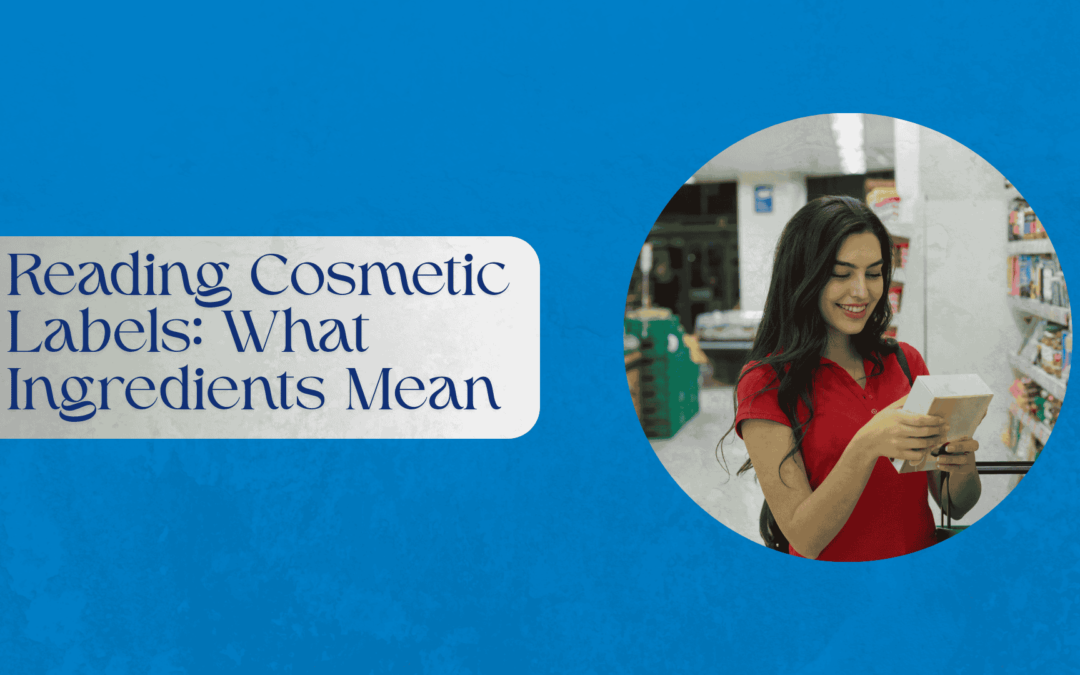
Reading Cosmetic Labels: What Ingredients Mean
Table of Contents
- Introduction
- Why Understanding Cosmetic Labels Matters
- Common Ingredients in Skincare Products
- Active vs. Inactive Ingredients
- Preservatives and Their Role
- Fragrances and Sensitivities
- Natural vs. Synthetic Ingredients
- Reading Labels for Allergens
- Interpreting Product Claims
- Tips for Choosing Cosmetic Products
- Conclusion
- Frequently Asked Questions (FAQs)
Introduction
Understanding what goes into your cosmetic products can feel confusing at first, but knowing how to read labels helps you make informed choices for your daily skincare routine. Cosmetic labels provide a wealth of information about ingredients, their purpose, and any precautions. Learning how to interpret this information can enhance your awareness of product composition, help you identify potential allergens, and guide you toward products suited to your skin type.
For example, many cosmetic products list ingredients using their International Nomenclature Cosmetic Ingredient (INCI) names, which are standardised internationally. Labels may also indicate specific functions, like moisturisers, emulsifiers, or preservatives. While cosmetic labels do not indicate therapeutic effects, understanding what each ingredient does can help you navigate your options safely. For additional guidance on cosmetic safety, the Australian Government Department of Health offers reliable information on skincare product regulations.
Why Understanding Cosmetic Labels Matters
Cosmetic labels serve as an essential tool for consumers to understand what is in the products they use daily. They list all ingredients in descending order by concentration, meaning the first ingredients are present in the highest amounts. Familiarising yourself with these labels helps you make choices that suit your skin type, personal preferences, and lifestyle.
Reading labels also allows you to avoid ingredients you may wish to limit or avoid, such as certain synthetic fragrances, colourants, or preservatives. This is particularly important for people with sensitive or allergy-prone skin. While labels cannot indicate therapeutic effects or guarantees of efficacy, they can provide transparency regarding formulation. For more information, Cosmetic, Toiletry and Fragrance Association of Australia (CTFA) offers detailed guidance on ingredient labelling and compliance.
Common Ingredients in Skincare Products
Skincare products typically contain a mixture of water, oils, emulsifiers, humectants, preservatives, and optional additives like colourants or fragrances. Each ingredient plays a specific role in achieving texture, stability, and performance. For example, water often serves as a base, while oils and emollients provide moisturising properties.
Humectants such as glycerin attract moisture to the skin, supporting hydration, while emulsifiers allow oil and water to mix, giving creams and lotions their consistency. Preservatives extend shelf life by limiting microbial growth. Colourants and fragrances are added for visual appeal or scent. Understanding the general purpose of each ingredient category can help you make more informed choices. For further details, the Australian Competition and Consumer Commission (ACCC) offers neutral advice on cosmetic labelling and consumer rights.
Active vs. Inactive Ingredients
Cosmetic products list ingredients as either active or inactive. Active ingredients are those that serve a primary function in the product, such as moisturising agents in lotions. Inactive ingredients contribute to texture, stability, or preservation but do not perform the main cosmetic function.
For example, in a facial cream, humectants may be considered active, while emulsifiers and stabilisers are typically inactive. Understanding this distinction helps you evaluate what purpose each component serves. Labels may not always specify which ingredients are active, but knowing the common functions can provide clarity. Referencing Cosmetics Info Australia can give reliable explanations of ingredient functions in neutral, educational terms.
Preservatives and Their Role
Preservatives are essential for maintaining product safety and shelf life by limiting microbial growth. Common preservatives include phenoxyethanol and parabens, often listed in INCI format. While some consumers prefer products without certain preservatives, they play a critical role in preventing contamination.
Reading labels allows you to identify which preservatives are used and decide what is appropriate for your preferences or sensitivities. Remember, labels indicate presence but not concentration beyond regulatory requirements. Always follow storage instructions to maintain product integrity. For official guidance on preservatives and cosmetic safety, consult the Therapeutic Goods Administration (TGA) website.
Fragrances and Sensitivities
Fragrances are common additives in cosmetic products, included to improve scent and user experience. However, some people may be sensitive or allergic to certain fragrance ingredients. Cosmetic labels often list “fragrance” or “parfum” without detailing each compound, which can make it harder to identify triggers.
By reading labels, consumers can select fragrance-free or hypoallergenic products when needed. If you are prone to sensitivities, patch testing new products is a neutral and safe approach. For general advice on avoiding fragrance-related irritation, refer to Australian Skin and Cancer Foundation for non-therapeutic guidance on product selection.
Natural vs. Synthetic Ingredients
Cosmetic labels may include both natural and synthetic ingredients. Natural ingredients, such as plant oils and extracts, are derived from botanical sources, while synthetic ingredients are lab-made to achieve stability, texture, or performance.
Understanding the difference is useful for personal preference or ethical considerations, though labels alone do not guarantee purity or therapeutic benefit. Both natural and synthetic ingredients are evaluated for safety under Australian regulations. The Australian Government NICNAS provides neutral information on chemical safety and cosmetic standards. Being able to distinguish ingredient types helps you make more informed choices without implying health claims.
Reading Labels for Allergens
Cosmetic labels help identify potential allergens that may cause skin reactions. Common allergens include certain fragrance compounds, colourants, and preservatives. Australian regulations require that known allergens be listed on the label, giving consumers the opportunity to avoid triggers.
Carefully reviewing ingredient lists before using a new product can prevent irritation. If uncertain, consider keeping a personal list of known sensitivities and cross-referencing product labels. For more guidance on allergen labelling, the Allergy & Anaphylaxis Australia website provides neutral educational resources.
Interpreting Product Claims
Labels often feature marketing claims such as “hydrating,” “soothing,” or “anti-ageing.” While these descriptions provide an overview of intended cosmetic function, they are not medical claims and do not guarantee specific results.
Being able to distinguish between promotional language and factual ingredient information is key to informed decision-making. Focus on reading the ingredient list rather than relying solely on claims. For guidance on interpreting cosmetic marketing claims in Australia, the ACCC provides neutral, consumer-focused advice.
Tips for Choosing Cosmetic Products
When selecting cosmetic products, consider factors such as skin type, ingredient preferences, and sensitivity history. Reading labels carefully, choosing products from reputable brands, and understanding the purpose of each ingredient helps in making informed choices.
Opting for cosmetic products that suit your personal needs, checking for allergen information, and considering fragrance-free or hypoallergenic options can improve daily skincare routines without implying therapeutic benefits. Always store products according to label instructions to maintain quality. For additional guidance, neutral resources such as the Australian Government Department of Health offer general advice on safe product use.
Conclusion
Reading cosmetic labels is a practical skill that allows you to make informed, safe choices for your daily skincare routine. Understanding the purpose of ingredients, differentiating active from inactive components, recognising preservatives, and identifying potential allergens can empower you to select products that align with your preferences and lifestyle.
While cosmetic labels do not guarantee therapeutic effects, they provide transparency about product composition. Neutral guidance, such as checking cosmetic products and referencing reliable Australian sources, ensures you are informed without making health claims. By paying attention to labels, you can confidently navigate the wide range of products available, choosing those that suit your needs, sensitivities, and ethical preferences.
Explore our range of Cosmetic Products for safe, everyday skincare choices. Learn more about skincare label basics in our Skincare Education Blog.
Disclaimer
“This content is for general informational purposes only and is not intended as medical or professional advice. Always seek the guidance of a qualified professional regarding any questions about personal wellbeing or products.”
Frequently Asked Questions (FAQs)
- Q1: How are cosmetic ingredients listed on labels?
A1: Ingredients on cosmetic labels are listed in descending order by concentration, using standardised INCI names. This ensures transparency, allowing consumers to see which ingredients are most prevalent in the product, without implying any therapeutic or health benefits. - Q2: What do “hypoallergenic” or “dermatologically tested” mean?
A2: Terms like “hypoallergenic” and “dermatologically tested” indicate that products have been formulated or tested to reduce potential irritation. These are marketing descriptors and do not guarantee results. Reading the full ingredient list remains the best way to assess suitability for your skin type. - Q3: Can I trust all “natural” ingredients?
A3: Natural ingredients come from plant or mineral sources, but natural does not automatically mean safer or more effective. Both natural and synthetic ingredients are regulated for safety. Understanding the ingredient function helps you make informed cosmetic choices.