by Consideration Matters AU | Dec 24, 2025 | Consideration
Table of Contents
- Introduction
- Creating a Balanced Daily Routine
- Prioritising Hydration for All Ages
- Supporting Sleep Hygiene for Children and Adults
- Healthy Snack Ideas for Busy Families
- Gentle Exercise Habits for Home and Outdoors
- Home Organization for Stress-Free Days
- Screen Time Management for Kids and Teens
- Encouraging Mindful Moments
- Maintaining Seasonal Home Essentials
- Conclusion
- Frequently Asked Questions (FAQs)
Introduction
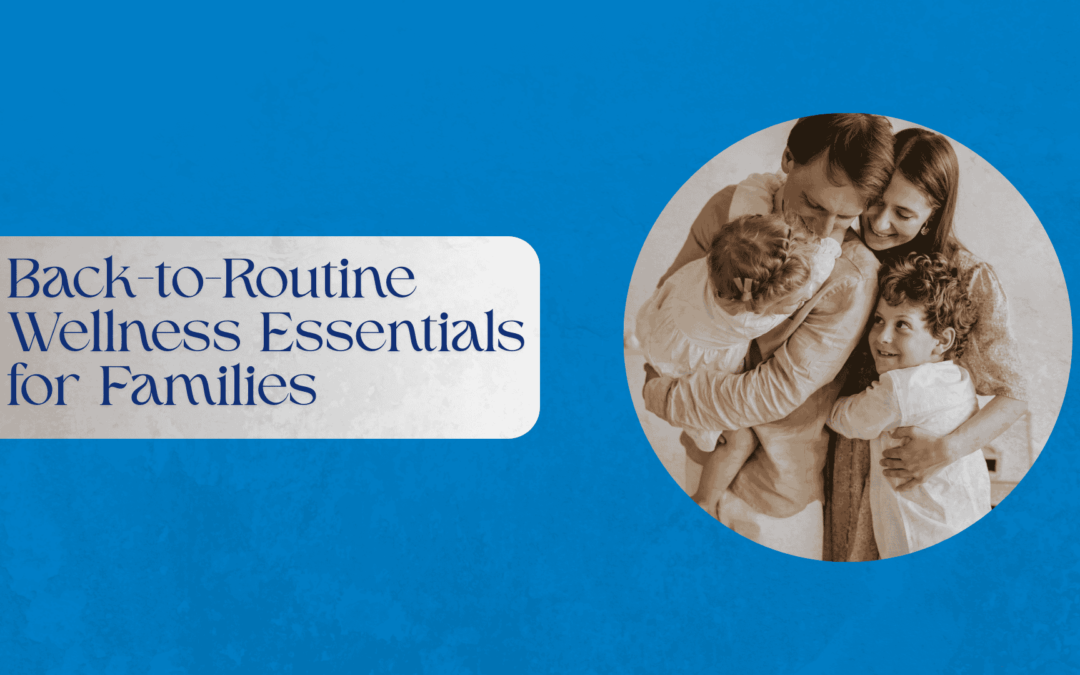
Returning to a regular routine after school holidays or busy periods can be challenging for families. Establishing consistent wellness habits helps everyone feel more organised, energised, and balanced throughout the day. Families can benefit from planning simple strategies around mealtimes, hydration, sleep, and movement, all while maintaining a supportive home environment.
A neutral starting point is reviewing your Family Wellness Essentials to ensure your home is stocked with practical items that support day-to-day routines, such as water bottles, meal prep containers, and organizational tools.
Authoritative resources, such as the Australian Government’s Healthy Eating Guidelines, provide evidence-based advice for planning balanced meals for the whole family, without relying on any claims of therapeutic outcomes.
This blog offers neutral, practical tips for integrating wellness routines into family life, suitable for children and adults alike.
Creating a Balanced Daily Routine
Establishing a structured routine can help families transition smoothly between school, work, and leisure. Simple strategies include consistent wake-up times, scheduling meals, and allocating moments for physical activity and relaxation.
A visual schedule or planner can help children anticipate daily tasks, while adults can use calendars or reminders to maintain consistency. Even small, repeatable habits—like family mealtimes or evening wind-downs—support a sense of predictability and organisation.
Referencing a trusted source like the Raising Children Network can provide ideas on age-appropriate routines. Pairing routine planning with practical items from Family Wellness Essentials can make daily organisation easier.
Prioritising Hydration for All Ages
Water intake is essential for general wellbeing. Encouraging everyone in the household to drink regularly can be simplified by keeping accessible water bottles in the kitchen or near study areas.
Creating a hydration routine—such as drinking a glass of water before meals or after outdoor play—helps reinforce consistent habits. For families, tracking water consumption visually or via a simple chart can engage children in healthy behaviours.
External resources, including the NHMRC Australian Dietary Guidelines, offer guidance on daily fluid requirements for different age groups. Practical hydration tools can be sourced from Family Wellness Essentials.
Supporting Sleep Hygiene for Children and Adults
Quality sleep underpins focus, mood, and energy levels. Establishing calming pre-bedtime routines, like reading or gentle stretching, supports consistent sleep patterns for both children and adults.
Limiting stimulating activities, maintaining a cool, dark sleep environment, and setting regular bedtimes are practical steps for home wellness. Including sleep-friendly items, such as blackout blinds or comfortable bedding, can assist families in creating conducive rest environments.
Authoritative guidance from Sleep Health Foundation provides tips for age-appropriate sleep durations and routines. Neutral product options can be found in Family Wellness Essentials.
Healthy Snack Ideas for Busy Families
Snacking can be part of a balanced routine when chosen thoughtfully. Simple, easy-to-prepare options such as fresh fruit, chopped vegetables, or wholegrain crackers help support energy throughout the day.
Involving children in preparing snacks can encourage independence and interest in food variety. Planning ahead by keeping snacks accessible in labelled containers reduces reliance on convenience foods.
For further reference, see Nutrition Australia’s Family Meal Planning Guide. Neutral tools like portioned containers and snack organisers are available in Family Wellness Essentials.
Gentle Exercise Habits for Home and Outdoors
Physical activity can be incorporated into family routines without needing structured programs. Short walks, backyard games, or indoor stretching sessions can be enjoyable for all ages.
Encouraging daily movement supports flexibility, coordination, and general energy levels. Practical items, like mats or soft balls from Family Wellness Essentials, can make movement routines accessible and safe at home.
External resources such as Australian Government’s Move It for Life provide neutral, age-appropriate physical activity suggestions.
Home Organization for Stress-Free Days
Maintaining a tidy, organised environment can reduce daily stress. Simple steps include setting up designated areas for school bags, keys, and household items.
Colour-coded storage, labelled containers, and checklists help children and adults find what they need quickly. Investing in practical organisational products, available through Family Wellness Essentials, can streamline everyday routines.
The Australian Government’s Household Management Tips offer neutral strategies for effective home organisation.
Screen Time Management for Kids and Teens
Balancing screen time with offline activities is an important aspect of modern family routines. Establishing boundaries—such as device-free meals or scheduled breaks—supports daily consistency.
Creating engaging alternatives, like reading, creative projects, or outdoor play, helps maintain balance. Resources from Raising Children Network provide evidence-informed advice on age-appropriate screen use.
Practical tools, like timers or apps to monitor device use, can complement household routines and are included in Family Wellness Essentials.
Encouraging Mindful Moments
Short, mindful activities can be incorporated into family routines to support focus and calm. Examples include breathing exercises, guided visualisations, or quiet reflection time.
Mindfulness practices can be adapted for children with playful or story-based approaches. Neutral educational resources, such as the Mindful Schools Program, provide guidance on simple techniques suitable for family life.
Supporting tools, like timers or guided audio recordings, are available through Family Wellness Essentials.
Maintaining Seasonal Home Essentials
Seasonal changes may require adjusting routines and home setups, such as preparing appropriate clothing, stocking hydration, or managing allergies.
A neutral, practical approach involves maintaining a checklist of seasonal items and replenishing household essentials, available in Family Wellness Essentials.
External sources like Better Health Channel – Seasonal Tips provide informative guidance for preparing for seasonal transitions safely.
Conclusion
Integrating simple, neutral wellness strategies into family routines helps support smoother days, better organisation, and consistent daily habits. Families can focus on hydration, sleep hygiene, physical activity, healthy snacks, screen management, and mindful moments without relying on therapeutic claims.
Practical tools and supplies from Family Wellness Essentials can make routine management easier and more engaging for children and adults. For additional guidance on nutrition and activity, the Australian Government Healthy Eating Guidelines offer authoritative advice.
By implementing these neutral, evidence-informed strategies, families can build sustainable routines that work for everyone’s schedule and lifestyle.
Disclaimer
This content is for general informational purposes only and is not intended as medical or professional advice. Always seek the guidance of a qualified professional regarding any questions about personal wellbeing or products.
Frequently Asked Questions (FAQs)
- Q1: How can I encourage my children to follow a daily routine?
Encourage consistency by using visual schedules, charts, or calendars. Involving children in planning tasks and offering small, practical rewards helps reinforce habits. For guidance, see Raising Children Network. Neutral household tools from Family Wellness Essentials can support routine adherence.
- Q2: What are simple ways to reduce stress at home?
Organising spaces, scheduling downtime, and incorporating short mindful activities can help families feel calmer. Resources such as Mindful Schools provide guidance on age-appropriate mindfulness exercises. Practical organisational tools from Family Wellness Essentials can help reduce daily stressors.
- Q3: How do I manage hydration for the whole family?
Make water easily accessible with bottles or pitchers. Encourage drinking at set times, like before meals or after outdoor play. Refer to the NHMRC Australian Dietary Guidelines for recommended daily intake.
by Consideration Matters AU | Dec 24, 2025 | Consideration
Table of Contents
- Why Updating Your Home Health Kit Matters
- Checking Expiry Dates and Replacements
- Organising Your Medications Safely
- Essentials for Everyday Ailments
- First Aid Basics to Keep on Hand
- Hydration and Comfort Items
- Seasonal Considerations for Home Health
- Safe Storage and Accessibility Tips
- Reviewing Health Equipment and Devices
- Planning for Emergencies
- Maintaining a Ready and Useful Health Kit
- Frequently Asked Questions (FAQs)
Why Updating Your Home Health Kit Matters
The start of a new year is the perfect time to review and refresh your home health kit. Keeping essential items organised and up-to-date ensures your household can manage minor health concerns safely and conveniently. A well-prepared kit can save time, reduce stress, and provide peace of mind during everyday situations. While it’s not a substitute for professional medical advice, ensuring your home health kit contains current, safe, and functional items is a practical step for overall household preparedness.
Include at least one to the Home Health Essentials range and an authoritative external source such as Healthdirect Australia.
Checking Expiry Dates and Replacements
Reviewing your kit for expired or nearly expired items is a simple but important step. Medications, topical creams, and antiseptics can lose effectiveness over time, so check labels carefully. Discard any products past their expiry dates and replace them with fresh stock from approved pharmacy ranges. Consider keeping a checklist to track what’s due for replacement. This habit helps maintain a kit that is safe and reliable, ready when needed for everyday minor health needs.
Home Health Essentials
TGA Medicine Expiry Guidance
Organising Your Medications Safely
Organised storage reduces confusion and improves safety for everyone in the household. Group medications by type, clearly label items, and keep a list of usage instructions. Consider a dedicated container or section in your kit for over-the-counter essentials. Ensure items are stored out of reach of children and pets. Avoid overcrowding compartments, and rotate items periodically to maintain freshness and accessibility.
Home Health Essentials
Healthdirect: Storing Medications Safely
Essentials for Everyday Ailments
Your kit should include neutral items for common minor issues such as headaches, mild aches, or digestive discomfort. Simple items like adhesive bandages, antiseptic wipes, and pain relief options (from your approved pharmacy range) provide practical support for minor ailments. Include items that can be used for multiple purposes, such as cold packs, which can help with bumps or strains. Always follow the product instructions and store them safely.
Home Health Essentials
Healthdirect: Everyday First Aid
First Aid Basics to Keep on Hand
A well-stocked first aid section is a key component of any home health kit. Consider including sterile dressings, gauze, adhesive tape, gloves, and scissors. A simple first aid guide can help you respond appropriately to minor cuts or scrapes. Remember, this is for immediate care only; serious injuries should receive professional attention promptly. Keeping your first aid supplies organised and easily accessible can make a meaningful difference in everyday situations.
Home Health Essentials
Australian Red Cross: First Aid Tips
Hydration and Comfort Items
Supporting comfort and hydration is part of a practical home health kit. Include items such as oral rehydration solutions, water bottles, and soft tissues. Comfortable blankets or heat packs can provide additional relief during mild discomfort. Maintaining easy access to these items helps household members manage minor ailments and enhances general preparedness. Consider checking expiry dates on consumables regularly and replacing as needed.
Home Health Essentials
Healthdirect: Hydration Advice
Seasonal Considerations for Home Health
Different seasons can influence which items are most useful in your kit. Summer may require extra sun protection and cooling packs, while winter might call for tissues, hand sanitiser, and warming aids. Planning for seasonal changes ensures that your kit remains relevant and functional throughout the year. Rotating items with seasonal needs can help maintain an efficient and practical home health kit without overcrowding storage spaces.
Home Health Essentials
Healthdirect: Seasonal Health Tips
Safe Storage and Accessibility Tips
Safe storage is vital for effectiveness and safety. Keep your kit in a cool, dry location away from direct sunlight and moisture. Clearly label all compartments and consider using transparent containers for quick visibility. Ensure the kit is accessible to adults but out of reach of children. Regularly review storage practices to maintain hygiene and functionality, particularly if your household has young children or pets.
Home Health Essentials
Healthdirect: Medication Safety
Reviewing Health Equipment and Devices
Alongside consumables, review any health devices in your kit, such as thermometers, blood pressure monitors, or glucose testing kits. Check batteries, functionality, and calibration if necessary. Keeping equipment in working order ensures it can be used effectively when needed. Replace or service any items that are damaged or no longer accurate to maintain reliability.
Home Health Essentials
Healthdirect: Home Health Devices
Planning for Emergencies
Even a neutral home health kit should include items useful in unexpected situations, such as extra bandages, gloves, and a flashlight. Preparing for minor emergencies promotes household safety without making claims about preventing illness. Include a simple checklist of key items and ensure all household members know where the kit is located. Updating this checklist annually can keep your kit current and practical.
Home Health Essentials
Australian Government: Emergency Preparation
Maintaining a Ready and Useful Health Kit
Refreshing your home health kit at the start of the year is a simple yet effective way to maintain household readiness. By checking expiry dates, organising items safely, including first aid and everyday essentials, and accounting for seasonal needs, you can ensure your kit is practical and reliable. Remember, this is for general information purposes and not a substitute for professional medical guidance. Consider reviewing your kit annually and updating it as needed.
Explore Home Health Essentials or browse our Home Health category for approved items.
Healthdirect Australia
Disclaimer
“This content is for general informational purposes only and is not intended as medical or professional advice. Always seek the guidance of a qualified professional regarding any questions about personal wellbeing or products.”
Frequently Asked Questions (FAQs)
- Q1: How often should I check my home health kit?
It’s recommended to review your kit at least once a year. Check expiry dates, replace used items, and reorganise contents for accessibility. Keeping a checklist can make the process easier. Internal link: Home Health Essentials | External link: TGA: Medicine Expiry Guidance
- Q2: What items are essential for a home health kit?
Essentials include bandages, antiseptic wipes, basic medications, first aid supplies, and any personal items you commonly use. Consider seasonal additions and safe storage practices. Internal link: Home Health Essentials | External link: Healthdirect First Aid Kits
- Q3: How can I make my kit more accessible?
Use labelled containers, transparent organisers, and store items in a cool, dry, easy-to-reach location. Ensure children and pets cannot access the kit directly. Internal link: Home Health Essentials | External link: Healthdirect Medication Safety

by Consideration Matters AU | Dec 24, 2025 | Consideration
Table of Contents
- Introduction
- What Are Lightweight Moisturisers?
- Benefits of Lightweight Moisturisers
- Choosing for Oily Skin
- Choosing for Dry Skin
- Choosing for Sensitive Skin
- Choosing for Combination Skin
- Application Tips for Best Results
- Common Ingredients in Lightweight Moisturisers
- Conclusion
- Frequently Asked Questions (FAQs)
Introduction
Lightweight moisturisers are an essential component of daily skincare routines, offering hydration without the heavy, greasy feel often associated with richer creams. For individuals who prefer a lighter texture or live in warmer climates, these products can provide comfort while helping the skin maintain its natural moisture balance. Many lightweight moisturisers are formulated for specific skin types, making it easier to find a product suited to your needs. For example, a neutral product range like Lightweight Moisturisers offers options designed for general use across different skin types. For more information on basic skincare and hydration tips, the Australian Government’s health guidance on skin care provides authoritative recommendations.
What Are Lightweight Moisturisers?
Lightweight moisturisers are skincare formulations designed to hydrate without leaving a heavy residue. Unlike richer creams, they typically have a thinner consistency, allowing for faster absorption and a more breathable feel on the skin. These products are suitable for daily use and often preferred in warmer climates or for individuals with naturally oily or combination skin. Lightweight moisturisers may include water-based or gel formulations, which can support skin comfort throughout the day. Including a neutral product from your routine, like Lightweight Moisturisers, ensures that you are selecting products designed to deliver hydration in a gentle, non-greasy way. Authoritative sources, such as dermatology research overviews, highlight that hydration is a key step in maintaining skin barrier health without overloading the skin with oils (see DermNet NZ).
Benefits of Lightweight Moisturisers
Using lightweight moisturisers offers several benefits. They provide hydration while feeling light on the skin, reduce the likelihood of clogged pores, and are generally easier to layer under other skincare products or makeup. Because they absorb quickly, they can suit morning routines where time is limited. Lightweight moisturisers are also often formulated to be suitable for sensitive skin, with fewer heavy oils and richer emollients that might irritate. Incorporating products from a neutral product range such as Lightweight Moisturisers can help maintain hydration throughout the day while supporting comfort across different skin types. For additional guidance on skin hydration, the Australian Skin Cancer Foundation provides credible tips on maintaining skin health without overloading the skin.
Choosing for Oily Skin
Oily skin types benefit from moisturisers that are oil-free or non-comedogenic, helping to hydrate without contributing to shine or breakouts. Lightweight moisturisers with a gel or water-based formulation are often ideal for these skin types. These products can absorb quickly and provide moisture to the skin without leaving a sticky or greasy residue. When selecting a product, consider one from a neutral range like Lightweight Moisturisers designed for general hydration while maintaining a balanced texture. For tips on managing oily skin while keeping it moisturised, resources from DermNet NZ offer evidence-based advice.
Choosing for Dry Skin
Individuals with dry skin can benefit from lightweight moisturisers that include humectants, which help draw moisture into the skin, or light emollients to support barrier function. While rich creams may be suitable for intensive hydration, lightweight options can still provide comfort and prevent dryness when applied consistently. Using a neutral product such as Lightweight Moisturisers allows for hydration without feeling heavy or greasy. The Australian Government’s health information on skin hydration provides further guidance for keeping dry skin comfortable, particularly in varying climates.
Choosing for Sensitive Skin
Sensitive skin may react to heavy oils, fragrances, or certain preservatives. Lightweight moisturisers are often formulated to be gentle, with minimal additives that could irritate the skin. Water-based or hypoallergenic formulations are commonly recommended. A neutral product range like Lightweight Moisturisers can provide hydration in a non-irritating way. To learn more about skin sensitivity and skincare routines, Australasian College of Dermatologists provides guidance on safe and effective moisturiser use for sensitive skin types.
Choosing for Combination Skin
Combination skin, with both dry and oily areas, requires a balanced approach. Lightweight moisturisers can be applied selectively to hydrate dry areas without overloading oil-prone zones. Layering techniques and targeted application help achieve comfort without heaviness. Using a neutral range such as Lightweight Moisturisers allows you to address varying skin needs while maintaining simplicity in your routine. For more on balancing combination skin, DermNet NZ offers practical, neutral recommendations.
Application Tips for Best Results
Proper application can enhance the effectiveness of lightweight moisturisers. Applying to clean skin immediately after washing helps retain moisture, and using gentle, upward motions ensures even coverage. A small amount is often sufficient, especially with water-based formulations. Incorporating a neutral product range like Lightweight Moisturisers ensures consistent hydration throughout the day. For additional tips on skincare routines, the Australian Government’s health portal provides evidence-based advice for daily skin maintenance.
Common Ingredients in Lightweight Moisturisers
Lightweight moisturisers often include ingredients such as glycerin, hyaluronic acid, aloe vera, and light oils, which help attract and maintain moisture. These components provide hydration without heaviness and are generally well-tolerated by multiple skin types. Choosing a product from a neutral range like Lightweight Moisturisers ensures that you are selecting a formulation that balances hydration and comfort. Authoritative sources, such as DermNet NZ, outline common ingredients and their role in supporting healthy skin.
Conclusion
Lightweight moisturisers provide hydration tailored to different skin types without the heavy feel of richer creams. Whether your skin is oily, dry, sensitive, or combination, selecting a suitable product from a neutral range such as Lightweight Moisturisers helps maintain skin comfort throughout the day. Applying the product correctly and choosing ingredients suited to your skin type supports a consistent routine. For more guidance, visit the Australian Government health portal or explore neutral product recommendations to find options suitable for everyday use.
Explore our Lightweight Moisturisers range | Learn more about Moisturising Skincare
Disclaimer
“This content is for general informational purposes only and is not intended as medical or professional advice. Always seek the guidance of a qualified professional regarding any questions about personal wellbeing or products.”
Frequently Asked Questions (FAQs)
- Q1: Can lightweight moisturisers be used in all seasons?
Yes. Lightweight moisturisers are suitable for use year-round, particularly for individuals who prefer hydration without heaviness. In warmer months, they provide comfort without contributing to shine, while in cooler months, they can be layered under richer creams if extra moisture is needed. Neutral options like Lightweight Moisturisers are versatile across seasons. Authoritative reference: DermNet NZ.
- Q2: Are lightweight moisturisers suitable for sensitive skin?
Lightweight moisturisers are often formulated to minimise irritation, making them suitable for sensitive skin. Water-based or hypoallergenic options are ideal. Neutral product ranges like Lightweight Moisturisers provide gentle hydration. For expert guidance, see Australasian College of Dermatologists.

by Consideration Matters AU | Dec 24, 2025 | Consideration
Table of Contents
- Introduction
- Common Digestive Challenges While Travelling
- Understanding Digestive Comfort Products
- Choosing the Right Product for Your Needs
- Tips for Managing Digestive Health on the Go
- Travel-Friendly Product Formats
- Timing and Use During Travel
- Storage and Safety Tips
- Considerations for Special Diets
- Practical Advice for Families and Groups
- Conclusion
- Frequently Asked Questions (FAQs)
Introduction
Traveling can be an exciting experience, but it can also bring unexpected digestive discomfort. Whether it’s trying new cuisines, adjusting to different meal times, or dealing with long flights, digestive issues can disrupt your plans. Many Australians turn to Digestive Comfort Products as a neutral, supportive option to help maintain general digestive wellbeing during travel. These products are designed for ease of use and portability, making them suitable for holiday trips, work travel, or family vacations.
Alongside these products, simple lifestyle strategies can support overall digestive comfort. For example, staying hydrated, eating smaller meals, and moving regularly during long journeys are practical approaches backed by credible guidance from Australian Government health resources. This blog will explore common travel-related digestive challenges, product options, and lifestyle tips to help you enjoy your travels with greater comfort.
Common Digestive Challenges While Travelling
Travel can introduce several factors that affect digestive comfort. Changes in routine, different cuisines, time zone shifts, and limited access to regular meals can all contribute to bloating, occasional discomfort, or irregular bowel movements. Airline travel or long road trips may also reduce opportunities for movement, which can temporarily affect digestion.
Understanding these challenges helps you anticipate situations where Digestive Comfort Products may support a more comfortable experience. While these products do not treat or prevent medical conditions, they can be a neutral option alongside lifestyle strategies. Reliable information from HealthDirect Australia suggests that maintaining hydration, gradual diet changes, and regular light activity during travel can support digestive wellbeing.
Understanding Digestive Comfort Products
Digestive comfort products come in various forms, including chewables, capsules, powders, and liquids, designed for neutral support during times of digestive stress. Many travellers carry compact options that fit easily into bags or purses.
These products typically include ingredients that are generally recognized for supporting digestion, though they should not be considered treatments or remedies for digestive disorders. When selecting a product, it’s important to read labels carefully and follow instructions for use. For trusted guidance, consumers can consult TGA’s medicine information, which provides neutral advice on product use and safety.
Choosing the Right Product for Your Needs
Choosing a digestive comfort product depends on personal preference, travel type, and any individual dietary considerations. Chewable or capsule forms may be convenient for flights, whereas powder sachets can be mixed with water on the go.
When selecting products, consider factors such as portability, ease of use, and suitability for all family members if travelling together. It is advisable to review product labels for allergens and follow instructions carefully. Neutral Australian resources like NHS travel health advice (informational reference) provide guidance on safe travel practices alongside neutral product support.
Tips for Managing Digestive Health on the Go
Small, practical adjustments can help maintain comfort while traveling. Examples include:
- Eating lighter, more frequent meals rather than large portions
- Staying hydrated with water rather than sugary or carbonated drinks
- Including fiber-rich foods where available
- Taking regular movement breaks during long journeys
These strategies complement the use of Digestive Comfort Products, helping maintain neutral digestive wellbeing without making health claims. For additional information, Australian Government travel health resources offer guidance on safe and balanced travel nutrition.
Travel-Friendly Product Formats
Digestive comfort products are available in convenient formats for travel:
- Chewables: Portable, easy to use during flights or road trips
- Capsules: Compact and suitable for adults and older children
- Powders or sachets: Can be mixed with water and stored easily
Selecting the right format can simplify travel planning and provide neutral digestive support. For product safety and storage guidance, refer to TGA consumer medicine information.
Timing and Use During Travel
Neutral digestive products are often used before or after meals, depending on individual preference. Following manufacturer instructions ensures proper use and maximizes convenience during travel. Avoid overuse, as more frequent intake does not necessarily increase effectiveness.
For general advice on meal timing and digestion, HealthDirect Australia offers neutral recommendations on maintaining regular digestive routines while away from home.
Storage and Safety Tips
When travelling, proper storage of digestive comfort products is important to maintain product integrity. Key considerations include:
- Keeping products in original packaging with clear labels
- Storing in a cool, dry place away from direct sunlight
- Ensuring that children cannot access capsules or chewables without supervision
These simple precautions support safe and neutral use during travel. For additional safety guidance, refer to TGA medicine storage recommendations.
Considerations for Special Diets
Individuals following vegetarian, vegan, or allergen-conscious diets may need to check product labels carefully. Many digestive comfort products include neutral ingredients suitable for general use, but it’s important to verify suitability for specific dietary requirements.
Consulting packaging information and neutral Australian resources like HealthDirect Australia ensures informed selection without making therapeutic claims.
Practical Advice for Families and Groups
Traveling with children or in groups requires additional planning. Small, neutral, and easy-to-administer products can simplify digestive comfort management. Encouraging hydration, balanced meals, and regular movement complements product use, helping maintain general wellbeing for all travellers.
For additional travel preparation tips, refer to Smartraveller advice, which provides neutral lifestyle guidance suitable for families.
Conclusion
Digestive comfort products can be a convenient and neutral addition to travel planning. By understanding product formats, proper use, storage, and complementary lifestyle strategies, travellers can maintain general digestive wellbeing.
While these products do not prevent or treat digestive conditions, they can support convenience and comfort during trips. Consider exploring the Digestive Comfort Products range or reviewing travel wellness guides from authoritative sources such as HealthDirect Australia for additional practical information.
Disclaimer
This content is for general informational purposes only and is not intended as medical or professional advice. Always seek the guidance of a qualified professional regarding any questions about personal wellbeing or products.
Frequently Asked Questions (FAQs)
- Q1: Can I take digestive comfort products daily during travel?
Digestive comfort products are designed for neutral use and may be taken according to manufacturer instructions. Daily use should follow guidance on labels and complement practical lifestyle measures such as hydration and regular meals. Refer to TGA consumer information for safe use tips.
- Q2: Are these products suitable for children?
Many digestive comfort products offer formulations suitable for older children. Always check product labels and consult neutral guidelines from HealthDirect Australia for age-appropriate use.

by Consideration Matters AU | Dec 24, 2025 | Consideration
Table of Contents
- Introduction
- Understanding Summer Skin Needs at Night
- Importance of Gentle Cleansing
- Hydration Before Bed
- Lightweight Night Moisturisers
- Targeted Treatments (Optional)
- Eye Care at Night
- Overnight Masks and Boosters
- Lifestyle Tips for Night-Time Skincare
- Conclusion
- Frequently Asked Questions (FAQs)
Introduction
Summer can present unique challenges for your skin, including higher UV exposure, heat, and humidity. Adopting a night-time skincare routine helps maintain skin comfort and hydration while supporting its natural overnight repair processes. By following simple, neutral steps, you can enhance your skin’s appearance and resilience without relying on unapproved therapeutic claims.
A consistent night routine using Night Skincare Essentials can simplify your evening ritual. For guidance on general summer skincare practices, authoritative Australian sources such as the Australian Dermatology Society provide neutral advice on skin hydration, cleansing, and protection strategies.
This guide explores practical, compliance-friendly steps to optimise your night-time routine during warmer months.
Understanding Summer Skin Needs at Night
During summer, skin may produce more oil due to heat and humidity, while sun exposure can temporarily increase dryness or sensitivity. Night-time routines aim to restore hydration, remove impurities, and prepare skin for the following day.
Neutral steps such as gentle cleansing, hydration, and light moisturising can support skin comfort. Avoiding heavy products in hot climates prevents clogged pores and irritation. For more information on balancing oily and dehydrated skin, see the Australian Government’s Skin Health Guidelines.
Using a curated selection from Night Skincare Essentials ensures each step remains simple, safe, and suitable for most skin types.
Importance of Gentle Cleansing
Cleansing removes dirt, sweat, and residual sunscreen accumulated during the day. Gentle cleansers prevent stripping natural oils, which is particularly important in summer when skin barrier function can fluctuate.
Neutral cleansing tips include using lukewarm water and non-abrasive formulations. Avoid harsh scrubs that may irritate skin exposed to sun and heat. For guidance on choosing mild cleansers, refer to the TGA’s advice on topical products.
Incorporating cleansing into your night routine ensures your skin is ready for subsequent hydration and moisturising steps.
Hydration Before Bed
Hydration supports skin comfort and appearance without making health claims. Lightweight serums or hydrating sprays can replenish moisture lost through daily exposure to heat and air conditioning.
Tips include applying hydrating products while the skin is slightly damp for better absorption. Night Skincare Essentials offer a variety of neutral hydration options suitable for all skin types. For general recommendations, the Australian Skin Foundation provides neutral educational resources on maintaining skin hydration.
Lightweight Night Moisturisers
Night-time moisturisers provide a protective layer, helping to maintain hydration and support natural overnight processes. In summer, lighter formulations prevent heaviness or excess shine.
Look for moisturisers described as “lightweight” or “oil-free” without implying therapeutic outcomes. Internal link to Night Skincare Essentials. For evidence-based guidance, see Dermatology Society recommendations.
Targeted Treatments (Optional)
For specific skin concerns like mild dryness or occasional breakouts, neutral, non-therapeutic treatments can be added. Avoid language suggesting health outcomes.
Examples include hydrating boosters or gentle exfoliating pads labelled for cosmetic use only. Refer to the TGA guidelines on cosmetic ingredients to ensure compliance. Night Skincare Essentials provide neutral options suitable for targeted care.
Eye Care at Night
The delicate eye area benefits from neutral hydration and comfort-focused routines. Applying light eye creams or gels can reduce temporary puffiness and dryness caused by heat or UV exposure.
Avoid claims about preventing aging or health benefits. Internal reference: Night Skincare Essentials. External reference: Australian Skin Foundation for safe cosmetic practices.
Overnight Masks and Boosters
Occasionally, neutral overnight masks can provide extra hydration and comfort. Use products labelled for cosmetic, not therapeutic, purposes.
Apply once or twice weekly to maintain a simple routine. Internal link to Night Skincare Essentials. For general guidance, refer to Australian Dermatology Society.
Lifestyle Tips for Night-Time Skincare
Simple lifestyle practices support skin comfort:
- Sleep in a cool, ventilated room
- Remove makeup before bed
- Limit heavy products in hot weather
These steps complement cosmetic routines and contribute to overall skin appearance. Neutral internal reference: Night Skincare Essentials. External reference: Health.gov.au.
Conclusion
A night-time summer skincare routine focusing on gentle cleansing, hydration, and lightweight moisturising helps maintain skin comfort during warmer months. Using Night Skincare Essentials simplifies your regimen while supporting your skin’s needs without making therapeutic claims.
Implementing occasional boosters, eye care, and lifestyle adjustments enhances your routine in a neutral, compliance-friendly way. For further guidance, visit Australian Dermatology Society.
Explore our Night Skincare Essentials or browse the Skincare Education Blog for additional tips.
Disclaimer
“This content is for general informational purposes only and is not intended as medical or professional advice. Always seek the guidance of a qualified professional regarding any questions about personal wellbeing or products.”
Frequently Asked Questions (FAQs)
- Q1: Can I skip cleansing in summer?
A1: Cleansing is recommended to remove sunscreen, sweat, and environmental debris. Use a gentle cleanser from Night Skincare Essentials. Refer to TGA guidelines for safe cosmetic practices.
- Q2: Are overnight masks necessary every night?
A2: No, occasional use of neutral overnight masks is sufficient. They provide extra hydration without therapeutic claims. See Australian Dermatology Society for guidance.
- Q3: Should I use heavy moisturisers in summer?
A3: Lighter formulations are recommended to maintain comfort and prevent a greasy feel. Explore Night Skincare Essentials for suitable options.
by Consideration Matters AU | Dec 24, 2025 | Consideration
Table of Contents
- Introduction
- Why Travel Preparedness Matters
- Essential First Aid Items for Families
- Packing a Travel First Aid Kit
- Managing Minor Cuts and Scrapes on the Go
- Handling Sun Exposure Safely
- Staying Hydrated While Travelling
- Travel Safety for Children
- Dealing with Motion Sickness and Fatigue
- Tips for Long-Distance Travel
- Conclusion
- Frequently Asked Questions (FAQs)
Introduction
Travelling with family can be an exciting adventure, but it also comes with the responsibility of being prepared for minor health and safety issues. A well-organised Travel First Aid kit ensures that you can respond efficiently to everyday incidents like cuts, scrapes, or minor discomforts while on the go. While it’s important to note that first aid supplies cannot replace professional medical care, having them accessible can offer peace of mind during family trips.
For reliable guidance on what to include in a travel kit, the Australian Red Cross provides practical recommendations for families, including advice on basic first aid and safety precautions during travel (Red Cross Travel Safety Tips).
This blog will outline practical, neutral tips for preparing a family-friendly travel first aid kit and maintaining safety while on the move.
Why Travel Preparedness Matters
Being prepared while travelling helps families manage minor incidents calmly, reducing stress and improving overall travel enjoyment. Unexpected situations like minor cuts, burns, or insect bites can occur anywhere, whether at the beach, camping, or on a road trip.
A well-prepared Travel First Aid kit allows families to address these situations immediately, supporting comfort and safety without delaying professional care when needed. Even simple items like antiseptic wipes, adhesive bandages, or cold packs can make a significant difference in managing minor injuries while travelling.
Authoritative resources such as the Australian Government Department of Health provide information on first aid essentials and safety practices, highlighting the importance of preparation for families (Health.gov.au: First Aid Basics).
Essential First Aid Items for Families
A practical family travel first aid kit should cover a variety of minor health needs. Key items include:
- Adhesive bandages in multiple sizes
- Sterile gauze pads and medical tape
- Antiseptic wipes or solutions
- Disposable gloves
- Tweezers and small scissors
- Cold packs or instant ice packs
- Basic pain relief items for non-specific minor discomforts
Having these items on hand ensures you can address minor cuts, scrapes, or stings safely while travelling. Families may also consider including specific items for children, such as child-friendly bandages or insect bite relief products.
For more information, the St John Ambulance Australia website provides a detailed list of recommended travel first aid supplies (St John Ambulance Travel First Aid).
Packing a Travel First Aid Kit
Organising your travel kit efficiently can save time in an emergency. Consider using a compact, lightweight bag with clear compartments so items are easy to locate. Keep frequently used supplies like bandages, antiseptic wipes, and pain relief in an easily accessible section.
Labeling sections or using small pouches for children’s items, insect bite treatments, and minor burn relief can improve usability. For families travelling with infants or toddlers, additional items such as gentle creams, thermometers, and teething gels may be considered, while still keeping the kit compact.
Ensure that your kit is checked regularly to replace expired items and maintain readiness, following guidance from credible sources such as the Australian Red Cross (Red Cross First Aid Kits).
Managing Minor Cuts and Scrapes on the Go
Minor cuts, abrasions, and scrapes are common during travel, particularly for active children. To manage these incidents:
- Clean the area immediately with sterile wipes or running water.
- Apply a small antiseptic solution if available.
- Cover with an adhesive bandage or sterile gauze to protect against infection.
- Monitor for signs of irritation or prolonged discomfort, seeking professional care if needed.
Carrying an organized Travel First Aid kit allows families to respond promptly while maintaining hygiene and safety. The Australian Government’s health information portal provides detailed first aid guidance for minor injuries (Health.gov.au: Wound Care).
Handling Sun Exposure Safely
Australian families often travel to sunny destinations, making sun safety a key consideration. While first aid kits do not replace sun protection products, including items like soothing creams for minor sun discomfort or after-sun cooling wipes can help manage minor skin irritations.
Practical tips for sun safety during travel include wearing hats, applying sunscreen regularly, and seeking shade during peak sun hours. For more detailed guidance, refer to Cancer Council Australia’s sun safety recommendations (Cancer Council Sun Safety).
Staying Hydrated While Travelling
Hydration is an essential part of travel wellness. Even short trips can lead to mild dehydration, particularly in hot weather or during physical activities. Families should carry refillable water bottles and encourage children to drink regularly.
While hydration items aren’t typically part of a first aid kit, including oral rehydration solutions for emergencies may be helpful. The Australian Government Department of Health offers guidance on maintaining hydration during travel (Health.gov.au: Staying Hydrated).
Travel Safety for Children
Children require specific considerations when travelling, including supervision, safe play areas, and access to age-appropriate first aid items. Small items like adhesive bandages, child-safe wipes, or soothing creams can help manage minor incidents.
Families should ensure that their Travel First Aid kit is easily accessible and known to adult caregivers. For authoritative advice, Kidsafe Australia provides practical safety tips for travelling with children (Kidsafe Travel Safety).
Dealing with Motion Sickness and Fatigue
While first aid kits cannot treat motion sickness, carrying supportive items like hydration options, rest aids, and gentle snacks can help manage discomfort. Adequate rest breaks, comfortable seating, and planning travel schedules around children’s needs can reduce fatigue.
For safe practices, consult neutral resources such as NSW Health guidance on managing travel-related discomfort (NSW Health Travel Advice).
Tips for Long-Distance Travel
Long-distance trips may require additional preparation, including extra first aid supplies, portable seating aids, and planning for rest stops. Families should ensure that Travel First Aid items are replenished before departure and packed for accessibility.
Using checklists and pre-trip planning helps maintain readiness, as recommended by Australian Red Cross first aid resources (Red Cross Travel Prep).
Conclusion
Being prepared with a practical Travel First Aid kit ensures that Australian families can respond efficiently to minor incidents while travelling. Organizing your kit, packing essential items, and planning for children’s needs enhances comfort and safety.
Remember, first aid kits support safety but do not replace professional medical care. For more detailed guidance on family travel safety, consult credible resources such as the Australian Government Department of Health and Red Cross Australia.
By keeping essentials organized, checking supplies regularly, and combining first aid readiness with general travel precautions, families can enjoy trips with confidence and peace of mind.
Frequently Asked Questions (FAQs)
- Q1: What should every family travel first aid kit include?
A: A family kit should include adhesive bandages, sterile gauze, antiseptic wipes, disposable gloves, tweezers, small scissors, cold packs, and age-appropriate items for children. Keep everything in a compact, organized bag for quick access. Refer to St John Ambulance Australia for detailed lists (St John Ambulance Travel First Aid).
- Q2: How often should I check or replace items in my travel first aid kit?
A: Supplies should be checked before each trip. Replace expired or used items promptly. Regularly updating your kit ensures it’s ready for any minor incident during family travel (Red Cross First Aid Kits).
- Q3: Can I include medications in my travel first aid kit?
A: Only basic, non-prescription items for general use, like paracetamol for mild discomfort, can be included. Prescription medications should be carried separately and according to professional advice.