Table of Contents
- Introduction
- Why a First Aid Kit Matters in Busy Homes
- Basic Bandages and Dressings
- Cleansing Supplies for Minor Cuts and Scrapes
- Cold Packs and Heat Options
- Everyday Over-the-Counter Pain Relief
- Tools and Accessories for Home First Aid
- Organising Your First Aid Kit for Easy Access
- Regular Checks and Replenishment
- Teaching Household Members Basic First Aid Awareness
- Conclusion
- Frequently Asked Questions (FAQs)
Introduction
Active households, whether with children, pets, or frequent visitors, benefit from having a well-stocked first aid kit on hand. A practical kit allows families to respond promptly to minor accidents, scrapes, or bumps, helping maintain safety and confidence around the home. While first aid is not a substitute for professional medical advice, having essential supplies available ensures small incidents can be managed efficiently.
For families starting or refreshing their collection, exploring a Home First Aid Essentials range can provide a neutral, reliable guide to suitable items. Authoritative guidance from Australian Government health resources offers additional recommendations for safely managing common household injuries. By combining practical supplies with informed household routines, families can create a supportive environment that emphasises preparedness without implying treatment outcomes.
Why a First Aid Kit Matters in Busy Homes
First aid kits serve as an immediate resource for everyday minor injuries, especially in households with children or active members. Quick access to essential supplies can reduce stress and help manage incidents safely until professional care is available if needed. A well-organised kit also encourages responsible habits, such as keeping hazardous items like scissors or antiseptics stored safely.
A thoughtfully prepared kit can include neutral, approved items like adhesive bandages, sterile gauze, and cold packs. Families can also refer to guidance from the Australian Red Cross First Aid resources to ensure their kit covers common household scenarios. Incorporating first aid practices into everyday routines fosters a culture of awareness and readiness without implying therapeutic effects.
Basic Bandages and Dressings
Adhesive bandages and sterile dressings form the core of any household first aid kit. These items are useful for covering minor cuts, scrapes, or abrasions, helping to keep affected areas clean and protected. Bandages come in a variety of sizes and types, including flexible strips for fingers or waterproof options for wet environments.
Neutral internal resources like the Home First Aid Essentials range can guide families on practical choices for their household. External references such as the TGA’s consumer medicine guidance provide information about safe product selection. Using these products responsibly supports general household preparedness without implying healing or medical outcomes.
Cleansing Supplies for Minor Cuts and Scrapes
Keeping minor wounds clean is an important aspect of everyday safety. Neutral items like sterile wipes, cotton swabs, and gentle cleansing solutions are practical additions to a home kit. These supplies help remove dirt or debris, allowing bandages and dressings to function effectively.
Families can consult the Australian Government health portal for neutral guidance on maintaining hygiene during minor injuries. Internal links to Home First Aid Essentials provide information about suitable cleansing supplies available in Australian pharmacies. Incorporating these items into the first aid kit supports general readiness without suggesting health outcomes.
Cold Packs and Heat Options
Cold packs and heat wraps are useful tools for managing minor bumps, strains, or bruises around the home. Ready-to-use cold packs provide a convenient option for immediate application, while reusable heat packs can offer comfort in everyday situations.
Including a mix of these neutral, practical items in the Home First Aid Essentials range helps families respond efficiently to common household situations. For safe usage instructions and guidelines, refer to resources like Kidsafe Australia, which offers neutral advice on managing minor household injuries safely.
Everyday Over-the-Counter Pain Relief
While first aid kits are not intended to treat serious conditions, some families may include non-prescription pain relief options for minor aches or discomforts. Products should always be stored according to label instructions, out of reach of children.
Australian pharmacies often provide guidance on selecting neutral, safe over-the-counter products. Families can explore Home First Aid Essentials to identify appropriate items. For additional neutral information, the Australian Government NPS MedicineWise website offers guidance on everyday product use. This ensures safe household management without implying therapeutic outcomes.
Tools and Accessories for Home First Aid
A practical first aid kit also includes simple tools such as scissors, tweezers, disposable gloves, and safety pins. These items support the safe use of bandages, dressings, and other neutral first aid supplies.
Internal references to Home First Aid Essentials can guide households on recommended tools, while external resources like the Australian Red Cross First Aid advice provide neutral guidance on handling common situations safely. Using these tools responsibly contributes to household readiness and organisational efficiency without implying health benefits.
Organising Your First Aid Kit for Easy Access
Organisation is key to effective first aid preparedness. Categorising items into sections such as bandages, cleansing supplies, and tools allows family members to locate supplies quickly. Clearly labelling compartments and regularly checking for expired items enhances usability.
Families can follow advice from the Home First Aid Essentials range for practical organisation tips. External guidance from Australian Government first aid resources reinforces neutral, safe practices for home kit management. A well-maintained kit ensures readiness for everyday situations without suggesting treatment outcomes.
Regular Checks and Replenishment
Maintaining a first aid kit requires periodic checks to replace expired items and ensure supplies are stocked. Regular reviews help prevent gaps in essential materials and promote a culture of preparedness in active households.
Neutral internal guidance via Home First Aid Essentials helps families identify replacement needs, while authoritative sources like TGA consumer alerts provide updates on product safety. Routine checks reinforce organisational habits and readiness without implying therapeutic claims.
Teaching Household Members Basic First Aid Awareness
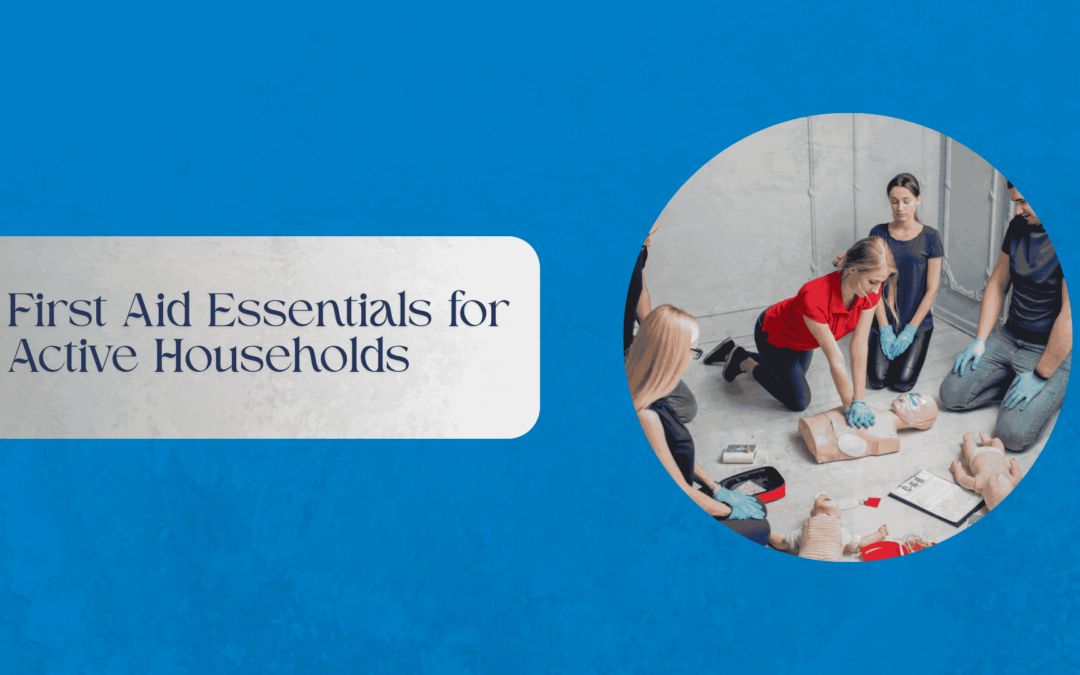
Beyond supplies, families can benefit from sharing basic first aid awareness with household members. Understanding where supplies are stored, how to use them safely, and what situations require professional advice encourages confidence and responsibility.
Internal links to Home First Aid Essentials offer practical tips, while external neutral guidance from Australian Red Cross provides educational resources. Encouraging general preparedness supports household safety without making health claims.
Conclusion
Equipping active households with a practical first aid kit helps families manage minor incidents safely and efficiently. By combining neutral supplies from the Home First Aid Essentials range with informed organisational routines and household education, families can foster an environment of readiness and confidence.
For additional guidance, Australian Government health resources like health.gov.au provide neutral advice on household first aid practices. Families are encouraged to review their kits regularly and update supplies as needed.
This content is for general informational purposes only and is not intended as medical or professional advice. Always seek the guidance of a qualified professional regarding any questions about personal wellbeing or products.
Frequently Asked Questions (FAQs)
- Q1: How often should a home first aid kit be checked?
A: A practical approach is to review kits every 6–12 months, replacing expired items and checking stock levels. Resources like Home First Aid Essentials and Australian Government health advice provide neutral guidance. - Q2: Can children help manage a first aid kit?
A: Older children can learn basic organisation, such as where supplies are stored and how to safely handle non-hazardous items. External neutral sources include Kidsafe Australia.