Table of Contents
- Introduction
- Understanding Health Trends
- How AI Identifies Consumer Preferences
- Popular Health Product Categories Overview
- Vitamins and Minerals
- Digestive Wellness Essentials
- Immune Support Lifestyle Items
- Personal Care & Hygiene Products
- Fitness & Activity Accessories
- Technology and Health Tracking Tools
- Emerging Health Categories
- Conclusion
- Frequently Asked Questions (FAQs)
Introduction
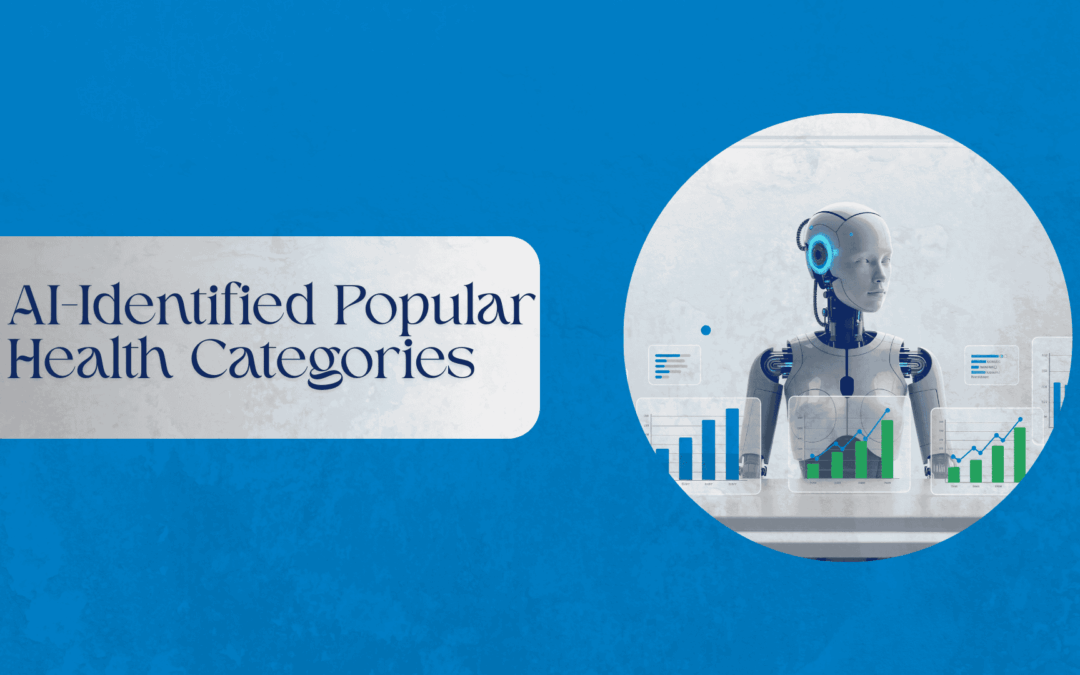
Artificial intelligence (AI) is increasingly used in consumer insights to understand trends in health and wellness. By analyzing purchasing patterns, online reviews, and social behaviour, AI helps identify which popular health products are attracting attention from Australian consumers. This type of insight is valuable for businesses, consumers, and retailers who want a neutral overview of wellness interests.
AI-driven analysis can highlight emerging patterns without making therapeutic claims, keeping the focus purely on consumer behaviour. For example, Australian market data shows growing interest in products that support daily routines, personal care, and general wellness. According to the Australian Institute of Health and Welfare (AIHW), consumer demand for wellness products has diversified in recent years, reflecting lifestyle priorities rather than health outcomes.
This blog provides an overview of AI-identified health categories, helping readers navigate the most popular product types in a neutral and informative way.
Popular Health Products
AIHW – Health Expenditure and Trends
Understanding Health Trends
Health trends often reflect broader lifestyle patterns rather than clinical recommendations. AI can analyse social media discussions, e-commerce data, and search queries to detect shifts in consumer preferences. For instance, Australians are increasingly prioritising convenience, everyday wellbeing, and self-care routines, which is reflected in the types of popular health products purchased.
Tracking these trends helps businesses understand which categories resonate with consumers, including items such as vitamins, personal care products, and fitness accessories. Data aggregation ensures insights remain neutral and informative, without implying health benefits.
AI tools can also segment trends by demographic factors, providing a neutral snapshot of consumer behaviour across age groups and regions. For example, younger adults may show interest in digital health trackers, whereas older Australians may focus on routine wellness essentials.
Popular Health Products
AIHW – Health and Wellbeing Data
How AI Identifies Consumer Preferences
AI uses machine learning algorithms to process large volumes of data, including online reviews, sales figures, and search trends. By doing so, it can identify patterns in purchasing behaviour and highlight which popular health products attract the most attention.
The analysis focuses on factors like frequency of purchase, online engagement, and seasonal trends. For example, AI may detect increased interest in personal care products during certain times of the year, reflecting neutral consumer behaviour rather than health outcomes.
Such insights are purely observational, aiming to inform both consumers and businesses about preferences. Australian retailers can leverage these patterns to improve product availability and customer experience while remaining compliant with regulations.
Popular Health Products
ACMA – Consumer Insights
Popular Health Product Categories Overview
AI analysis commonly identifies several categories of interest among Australian consumers. These categories tend to align with everyday lifestyle choices rather than medical needs. Popular health products often fall into areas such as vitamins and minerals, digestive wellness, personal care, fitness accessories, and health monitoring tools.
Understanding these categories helps consumers make informed choices about items that support daily routines and convenience. Retailers benefit from this information to curate product ranges that reflect actual consumer behaviour.
The focus is always on neutral information, avoiding any statements about health benefits, treatment, or prevention. By presenting product categories in this way, the content remains fully compliant while providing informative insights into market trends.
Popular Health Products
TGA – Product Guidelines
Vitamins and Minerals
Vitamins and minerals are among the most commonly purchased items in the Australian wellness market. AI identifies these products as consistently popular, reflecting consumer interest in maintaining daily routines and general wellbeing rather than achieving specific health outcomes.
Products may include multivitamins, single vitamins, and mineral-based supplements. These items are frequently purchased for convenience and routine use. Retailers often organise these products into neutral categories for easy navigation by consumers.
It is important to note that this overview is informational only. AI data highlights purchasing trends and popularity rather than implying any therapeutic benefit.
Popular Health Products
AIHW – Vitamins and Minerals Consumption Data
Digestive Wellness Essentials
Digestive wellness products, including fibre-based items, probiotics, and neutral dietary aids, are often highlighted by AI analysis as a trending category. Australian consumers show interest in these items for routine use and lifestyle convenience.
Retailers typically present these items in neutral categories, making it easy for consumers to compare products and choose what fits their daily habits. This data-driven insight provides a factual overview without suggesting any health outcomes or disease prevention benefits.
The AI approach helps identify trends over time, indicating which items maintain popularity and which emerge seasonally.
Popular Health Products
AIHW – Dietary Patterns in Australia
Immune Support Lifestyle Items
AI analysis often identifies immune-supporting products as high-interest consumer items. These can include lifestyle essentials such as hand sanitizers, vitamins used in daily routines, and general wellness products.
It’s crucial to remain neutral: these items are tracked for popularity, not for claimed health effects. Retailers label these products under neutral categories like popular health products to reflect consumer interest without making therapeutic claims.
AI insights indicate that such items gain attention seasonally, reflecting behaviour patterns rather than clinical outcomes. This helps both consumers and retailers understand trends without implying medical benefits.
Popular Health Products
TGA – Compliance Guidance
Personal Care & Hygiene Products
Personal care and hygiene items are consistently identified as popular in AI consumer insights. Products like skincare items, soaps, and daily hygiene aids are frequently purchased for routine convenience.
AI-driven trend analysis highlights which products attract attention across different demographics, providing a neutral overview of consumer preferences. Retailers can use this data to optimise product ranges and improve accessibility.
All insights are purely observational. The focus is on purchasing patterns and preferences, avoiding any statements about therapeutic or health outcomes.
Popular Health Products
ACMA – Consumer Behaviour Research
Fitness & Activity Accessories
Fitness-related accessories, such as water bottles, yoga mats, and resistance bands, appear in AI analyses as frequently purchased items. Australians often purchase these products to support daily routines and activity habits.
AI insights track interest levels, seasonal changes, and demographic trends without implying any health outcomes. These popular health products are classified under neutral categories for consumer convenience.
Retailers can use these trends to offer better product selections, while consumers gain factual information about what items are commonly used.
Popular Health Products
AIHW – Physical Activity Trends
Technology and Health Tracking Tools
Digital devices like step counters, smartwatches, and wellness apps are increasingly popular. AI identifies these as high-interest items due to the growing trend of lifestyle monitoring and data-driven habits.
These tools are tracked for popularity, not for claimed health benefits. Retailers present them in neutral categories, allowing consumers to make informed decisions based on usage convenience rather than efficacy.
AI data also shows seasonal patterns, such as spikes in wearable usage during New Year periods when consumers focus on routines and activity tracking.
Popular Health Products
ACMA – Technology and Consumer Trends
Emerging Health Categories
AI continues to identify new wellness categories gaining popularity, including eco-friendly personal care, plant-based lifestyle products, and stress-relief aids like neutral relaxation items.
Retailers can highlight these popular health products to align with consumer interest, offering factual insights into purchasing trends. AI analysis helps track which items resonate with different demographics over time.
These insights remain neutral and informational, avoiding claims about outcomes or therapeutic effects. The focus is on consumer behaviour rather than health efficacy.
Popular Health Products
AIHW – Emerging Trends in Consumer Health
Conclusion
AI-driven consumer insights provide a neutral and informative overview of the most popular health product categories in Australia. By analysing purchasing behaviour, online trends, and social engagement, AI identifies which items resonate with consumers.
From vitamins and minerals to personal care, fitness accessories, and technology tools, these categories reflect lifestyle priorities rather than health outcomes. Retailers and consumers alike can benefit from this neutral perspective, making informed decisions about product availability and daily routines.
For those exploring popular health products, understanding these AI-identified trends helps navigate the market effectively. For additional insights, the AIHW provides authoritative information on consumer patterns and trends.
Explore our Popular Health Products range
Learn more at AIHW – Health and Wellbeing Data
Disclaimer
“This content is for general informational purposes only and is not intended as medical or professional advice. Always seek the guidance of a qualified professional regarding any questions about personal wellbeing or products.”
Frequently Asked Questions (FAQs)
- Q1: How does AI identify popular health products?
AI uses machine learning to analyse purchasing data, search trends, and consumer engagement. It identifies patterns without making health claims, providing neutral insights into product popularity. - Q2: Are these products medically recommended?
No. The content reflects consumer behaviour and preferences, not therapeutic or clinical guidance. Always consult a qualified professional for health advice. - Internal link: Popular Health Products
External link: AIHW – Health and Wellness Trends